



Why Deferred Fall HVAC Maintenance Can Lead to Winter Downtime
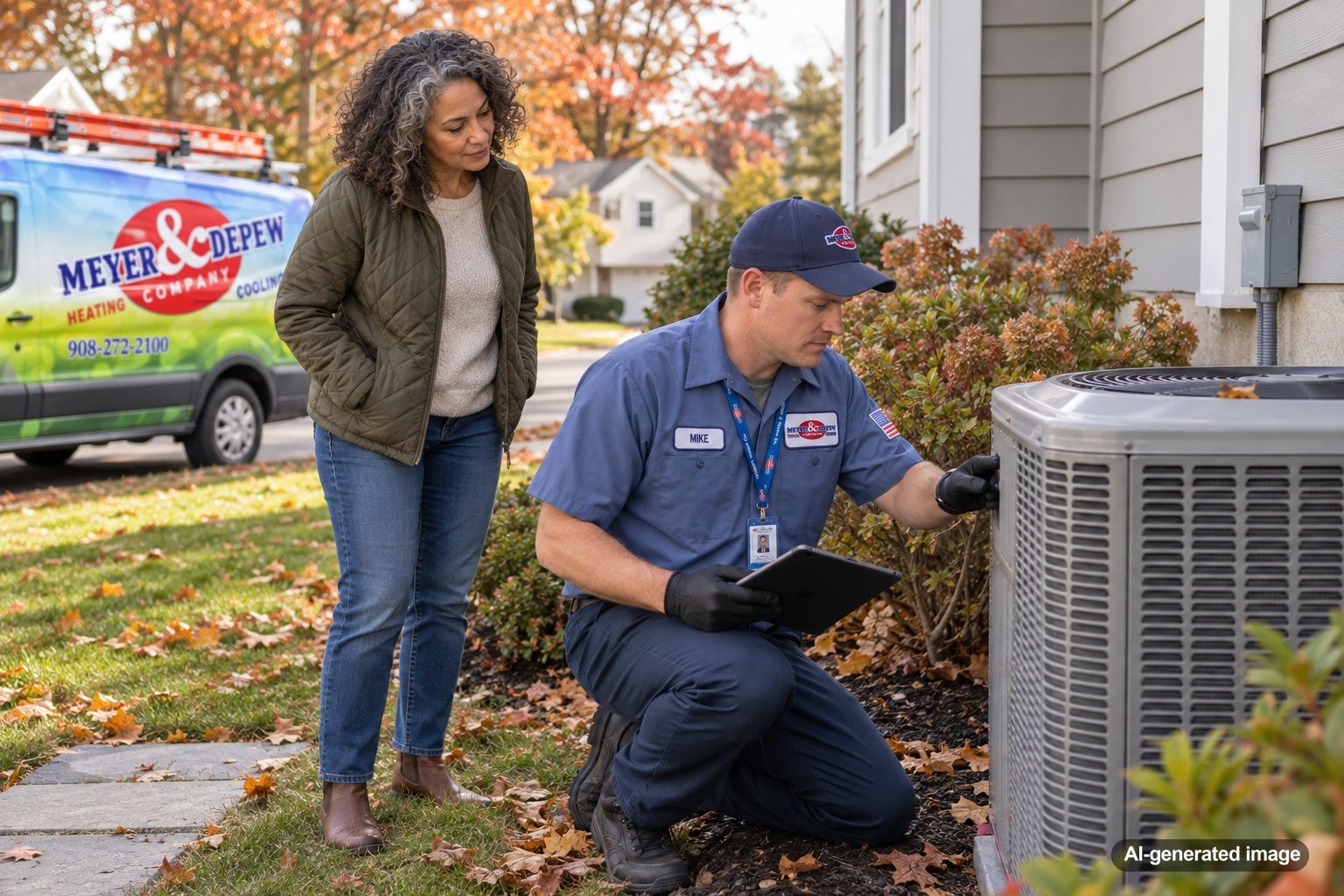
Deferring fall HVAC maintenance can increase the chance that small heating-system problems remain unnoticed until cold weather places heavier demands on the equipment. A system that seemed fine during mild September or October weather may behave very differently when temperatures fall and it needs to run longer, start more frequently, and maintain comfortable indoor conditions for hours at a time.
For homeowners and businesses in Central and Northern New Jersey, fall is a practical time to have heating equipment evaluated before sustained winter demand arrives. Professional heating service and maintenance can identify conditions that may deserve attention before they contribute to unreliable operation during colder weather.
Putting off fall HVAC maintenance does not guarantee a winter breakdown, but it can allow developing problems to go unnoticed until the heating system is working its hardest.
- Restricted airflow can make equipment work harder and reduce comfort.
- Worn or poorly operating components may become more noticeable under extended winter operation.
- Thermostat, electrical, airflow, and system-control issues can affect dependable heating.
- Scheduling maintenance before winter can provide more time to address concerns before an urgent no-heat situation develops.
Why fall maintenance matters before winter
Heating equipment often operates under relatively light demand during early fall. A furnace, boiler, heat pump, or other heating system may run only occasionally, so developing problems can be easy to miss. Once New Jersey experiences colder nights and sustained periods of low temperatures, the same equipment may operate for much longer periods.
That heavier workload can expose issues that were less obvious during mild weather. Preventive maintenance gives a qualified technician an opportunity to evaluate system operation before peak heating season rather than waiting for a comfort problem to become the first warning sign.
Annual pre-season maintenance is also recommended by ENERGY STAR, which advises having heating systems checked in the fall before contractors become busier during winter. Maintenance commonly includes checking system controls, thermostat operation, electrical connections, airflow-related components, and heating-specific operating conditions.
Small fall problems can become bigger winter disruptions
HVAC problems do not always begin with a dramatic failure. Many develop gradually. The system may still heat the building while operating under conditions that deserve attention.
Restricted airflow
A dirty filter, blocked return, closed supply vent, or other airflow restriction can make it harder for a forced-air heating system to distribute conditioned air. Homeowners may initially notice longer run times, weaker airflow, or uneven temperatures between rooms.
When winter demand increases, those airflow problems may become more noticeable because the heating system is being asked to operate more frequently. Checking the filter regularly and keeping supply and return vents open and unobstructed are simple homeowner steps that can support normal airflow.
Components showing signs of wear
Motors, electrical connections, controls, ignition components, pumps, and other heating-system parts can develop wear over time. A professional maintenance visit may reveal operating conditions that deserve additional evaluation before the system enters its busiest season.
This does not mean maintenance will prevent every future repair. Mechanical equipment can still fail unexpectedly. The advantage of preseason service is that it may uncover certain problems while there is still time to make an informed repair or replacement decision.
Problems with system startup or cycling
Heating equipment should start, operate, and shut down correctly. If a system is cycling unusually, struggling to reach the thermostat setting, or behaving differently from previous seasons, those symptoms should not be ignored simply because the home is still reasonably comfortable during mild weather.
Winter conditions can magnify performance problems because the equipment has less downtime between heating cycles. A qualified HVAC technician can evaluate the cause rather than relying on guesswork.
Winter downtime can be more disruptive than an off-season service visit
A heating problem is inconvenient at any time, but timing matters. Losing dependable heat during a cold New Jersey night creates a very different situation from scheduling service during comfortable fall weather.
For a homeowner, winter downtime can mean rapidly declining indoor temperatures and disrupted family routines. For a commercial property, heating trouble can affect employees, customers, tenants, operations, and temperature-sensitive spaces. Facilities with multiple HVAC systems may also need to coordinate repairs around occupancy or business hours.
Contractor schedules can become busier during periods of extreme cold because more systems are running under heavy demand at the same time. Addressing known maintenance needs before those conditions arrive can make HVAC planning less reactive.
Maintenance can reveal whether a repair or replacement conversation is needed
Fall maintenance is not simply about cleaning equipment. It can also provide useful information about system condition. If a technician finds recurring operational problems, significant wear, or an aging system that has needed frequent repairs, the property owner has an opportunity to discuss options before an emergency decision is required.
That does not automatically mean replacement is necessary. Many systems can continue operating with appropriate maintenance or repairs. The right decision depends on factors such as equipment condition, age, repair history, comfort performance, and the nature of the current problem.
If replacement eventually makes more sense, planning before a complete failure generally provides more opportunity to compare equipment and installation options than making the decision during an urgent no-heat call. Homeowners considering future upgrades can review Meyer & Depew’s heating installation and replacement services for additional information.
What homeowners can safely check before winter
Professional maintenance involves inspections and adjustments that should be handled by qualified HVAC technicians, particularly when gas, oil, combustion, refrigerant, or electrical components are involved. Homeowners can still perform several simple checks without opening or modifying the equipment.
- Check that the thermostat is set to the appropriate heating mode and temperature.
- Inspect the air filter and replace it if it is dirty and your system uses a homeowner-replaceable filter.
- Make sure supply vents and return-air grilles are open and not blocked by furniture, rugs, boxes, or curtains.
- Look for obvious debris around outdoor heat pump equipment and keep the surrounding area reasonably clear.
- Pay attention to unusual odors, sounds, weak airflow, frequent cycling, or rooms that are becoming difficult to heat.
Do not open sealed HVAC components, adjust gas pressure, bypass safety controls, modify electrical wiring, or attempt combustion-system repairs yourself. Those tasks require appropriate training and equipment.
When should you call an HVAC professional?
If the heating system is not maintaining temperature, repeatedly shutting down, making unfamiliar noises, producing unusually weak airflow, or showing other persistent changes in operation, professional evaluation is appropriate. Scheduling service before severe winter weather can help determine whether the issue is routine maintenance, a repair need, or something that requires closer attention.
Safety concerns should receive immediate attention. If you smell gas, suspect carbon monoxide, see smoke or sparks, notice an electrical burning smell, or encounter another potentially dangerous condition, prioritize personal safety and contact the appropriate emergency service, utility, or qualified professional rather than attempting a repair.
Frequently asked questions about fall HVAC maintenance
Can skipping one fall maintenance visit cause my heating system to fail?
Not necessarily. A missed maintenance visit does not mean a heating system will break down. However, delaying maintenance can allow certain developing problems to remain unidentified until the equipment is operating more heavily during winter.
Why is fall a good time to schedule heating maintenance?
Fall provides an opportunity to evaluate the heating system before sustained cold weather arrives. It can also give property owners more time to address maintenance or repair concerns before heating demand is at its highest.
Does HVAC maintenance prevent every winter breakdown?
No. Preventive maintenance cannot eliminate every possible mechanical failure. It can, however, help identify some wear, operating problems, airflow concerns, and other conditions before they become more disruptive.
How often should I check my HVAC air filter?
Filter needs vary by system, household, filter type, and operating conditions. ENERGY STAR recommends checking filters monthly, particularly during heavy-use periods, and replacing or cleaning them when dirty according to the equipment and filter manufacturer’s instructions.
Should businesses schedule fall HVAC maintenance too?
Yes. Commercial buildings can face significant operational disruption when heating equipment develops problems during occupied winter hours. Preventive maintenance can be especially useful for property managers and facility managers responsible for multiple systems or temperature-sensitive areas.
Deferred fall HVAC maintenance can leave developing problems undiscovered until cold weather increases system demand. Scheduling preventive service before winter does not guarantee trouble-free operation, but it can reduce uncertainty and give New Jersey property owners more time to address concerns before dependable heat becomes urgent.
Want to make HVAC maintenance easier to stay on top of?
A service plan can help keep routine heating and cooling maintenance on your calendar before small issues become bigger headaches.
You can also request a service appointment.