



Can Mild Weather Make Heating Installation Easier on Homeowners?
Estimated reading time: 7 minutes
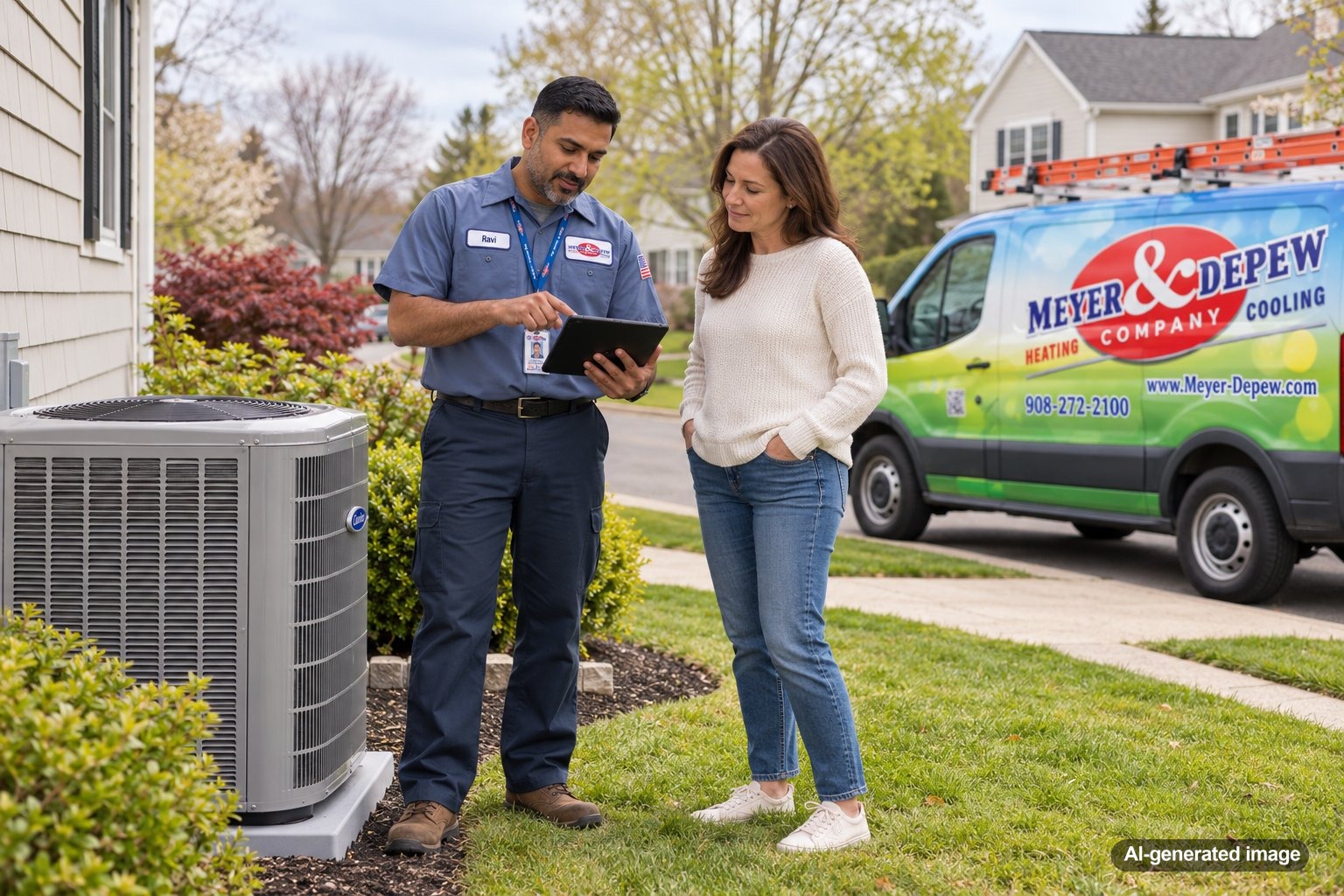
Yes. Mild weather can make heating installation easier on homeowners because the house is less dependent on the old heating system while the work is underway. When outdoor temperatures are comfortable, temporarily shutting down an aging furnace, boiler, heat pump, or other heating equipment is often less disruptive than doing the same work during a cold snap. Mild conditions can also give homeowners more room to plan the replacement carefully instead of making decisions under the pressure of a no-heat emergency.
For homeowners in Central and Northern New Jersey who already know a heating system is approaching replacement, scheduling heating installation and replacement during a moderate stretch of weather can provide practical advantages. Weather does not change the technical standards for a proper installation, but it can change how disruptive the project feels inside the home.
Mild weather may make heating installation easier because the home is less vulnerable to uncomfortable indoor temperatures while the system is offline.
- There is usually less urgency to restore heat immediately.
- Homeowners may have more flexibility to compare replacement options and scheduling.
- The household may stay more comfortable during the installation window.
- Replacing an aging system before severe cold can reduce the risk of facing an emergency replacement later.
Why outdoor temperature matters during a heating replacement
A heating installation requires the existing equipment to be taken out of service for at least part of the project. During very cold weather, that temporary loss of heat can quickly become the homeowner’s biggest concern. Even when the installation proceeds normally, indoor temperatures may fall faster than they would on a mild fall or spring day.
When outdoor temperatures are moderate, the home generally loses heat more slowly and may remain comfortable for longer without active heating. That creates a more forgiving environment for the household while technicians remove old equipment, prepare connections, install the new system, complete required checks, and confirm proper operation.
This does not mean every mild-weather installation is automatically faster. Installation time depends on the equipment, system configuration, accessibility, required modifications, and conditions found in the home. The advantage is primarily that homeowners may experience less comfort pressure while the work is happening.
Mild weather can reduce the pressure of an emergency decision
One of the biggest differences between planned replacement and emergency replacement is the amount of time available to make decisions. If a heating system fails during freezing weather, restoring heat becomes the immediate priority. Homeowners may feel pressure to choose equipment, review options, and arrange the installation quickly.
If an aging system is still operating during moderate weather, homeowners can often approach the decision more deliberately. They can discuss equipment sizing, efficiency, comfort concerns, thermostat compatibility, airflow, existing ductwork, and other factors before choosing a replacement.
That planning can be especially useful when the existing system has shown recurring problems, needs increasingly frequent service, heats the house unevenly, or is old enough that the homeowner is already considering replacement. A qualified HVAC professional can evaluate the existing system and explain whether continued repair or replacement is the more practical path.
There may be more flexibility for household scheduling
Heating installation affects more than the mechanical equipment. Technicians may need access to the thermostat, equipment area, electrical connections, ductwork, vents, utility spaces, or other parts of the home depending on the system being installed. Homeowners may also need to make arrangements for pets, parking, work-from-home schedules, or access to basements and utility rooms.
Mild weather does not eliminate those logistics, but it may make them easier to manage because maintaining immediate indoor heat is less urgent. A homeowner may be able to choose an installation date based on household convenience instead of waiting until the system stops working on the coldest day of the season.
Replacing before severe cold can avoid a stressful breakdown
An older heating system can continue operating for years in some cases, but no contractor can predict the exact day equipment will fail. If the system is already unreliable, repeatedly breaking down, or nearing the point where replacement makes financial and practical sense, waiting for complete failure can turn a planned project into an emergency.
New Jersey weather can shift quickly as colder seasons approach. Completing a replacement during a comfortable weather window may reduce the chance that homeowners will be dealing with an installation while outdoor temperatures are especially low.
That does not mean every older furnace, boiler, or heat pump should be replaced simply because mild weather arrives. Equipment condition, repair history, comfort, efficiency, safety, and the homeowner’s longer-term plans should all be considered. If the system is functioning well, professional evaluation can help determine whether replacement is necessary now or whether continued maintenance is reasonable.
What homeowners can consider before scheduling installation
If you are considering a heating replacement, the weather is only one factor. The more important goal is choosing equipment that fits the home and having it installed correctly.
- System condition: Consider how often the existing equipment needs repairs and whether performance has become less dependable.
- Comfort problems: Persistent cold rooms, uneven heating, unusual cycling, or difficulty maintaining the thermostat setting may deserve evaluation.
- Equipment sizing: Replacement equipment should be selected for the home’s heating needs rather than simply matching the old unit by appearance or capacity.
- Airflow and distribution: For ducted systems, restrictions, duct problems, or poorly balanced airflow can affect comfort even after new heating equipment is installed.
- Future plans: Renovations, additions, finished basements, zoning changes, or other home improvements may influence the best heating solution.
Homeowners who are unsure whether their current equipment needs replacement can start by having the system evaluated rather than assuming replacement is the only option.
Does mild weather make the actual installation technically better?
Not necessarily. A professional installation should follow appropriate procedures regardless of whether the outdoor temperature is mild or cold. The system still needs to be properly selected, installed, connected, configured, and tested.
The benefit of mild weather is mainly practical for the homeowner. There may be less discomfort while heat is unavailable, less pressure to restore heating immediately, and more flexibility to address any additional work identified during the installation.
Weather can also affect certain outdoor tasks, particularly with systems that include outdoor equipment, but the specific installation requirements depend on the type of heating system and site conditions. A qualified contractor can determine whether conditions are appropriate for the planned work.
When should you start planning a heating replacement?
It is worth starting the conversation before complete system failure if the equipment has become unreliable, repair needs are increasing, comfort has declined, or you already expect to replace the system in the near future. Planning ahead allows time for an evaluation and a discussion of appropriate options.
If the system suddenly stops heating, produces unusual odors, repeatedly trips electrical protection, or shows another concerning symptom, avoid opening equipment or attempting repairs involving gas, electrical, combustion, or other internal components. Schedule professional service so the problem can be evaluated safely.
For a planned replacement, homeowners can get a quote and discuss timing before colder weather makes the project more urgent.
Frequently asked questions
Is fall a good time to replace a heating system?
Fall can be a practical time because temperatures may still be moderate while homeowners prepare for colder weather. The best timing depends on equipment condition, scheduling, and the home’s heating needs rather than the calendar alone.
Should I replace my furnace before it completely fails?
Not always. If the furnace is operating safely and reliably, continued service may be reasonable. However, homeowners dealing with recurring repairs, unreliable operation, or an aging system may prefer to evaluate replacement before a failure creates an emergency.
Will my house get cold during heating installation?
The heating system may be unavailable for part of the installation, so indoor temperature can change depending on outdoor conditions, insulation, air leakage, and project duration. Mild weather generally reduces the comfort impact compared with very cold conditions.
Can a new heating system be installed during winter?
Yes. Heating systems are routinely replaced during winter when necessary. Mild weather is not required, but moderate conditions can make the temporary loss of heat less disruptive for the household.
How do I know whether to repair or replace my heating system?
The decision depends on factors such as equipment condition, repair history, comfort, efficiency, expected future repairs, and the cost and practicality of keeping the existing system operating. A qualified HVAC technician can inspect the equipment and help you compare the options.
Mild weather does not change the standards for a proper heating installation, but it can make the experience easier for homeowners. If replacement is already on the horizon, completing the project before severe cold arrives may provide more comfort, more planning flexibility, and less pressure than waiting for an emergency failure.
Thinking about replacing or upgrading your HVAC system?
Meyer & Depew can help you understand your options for comfort, efficiency, and long-term reliability in your New Jersey home or business.
Questions? Contact Meyer & Depew or call 908.272.2100.