



Should You Lower the Thermostat at Night During Early Fall?
Estimated reading time: 11 minutes
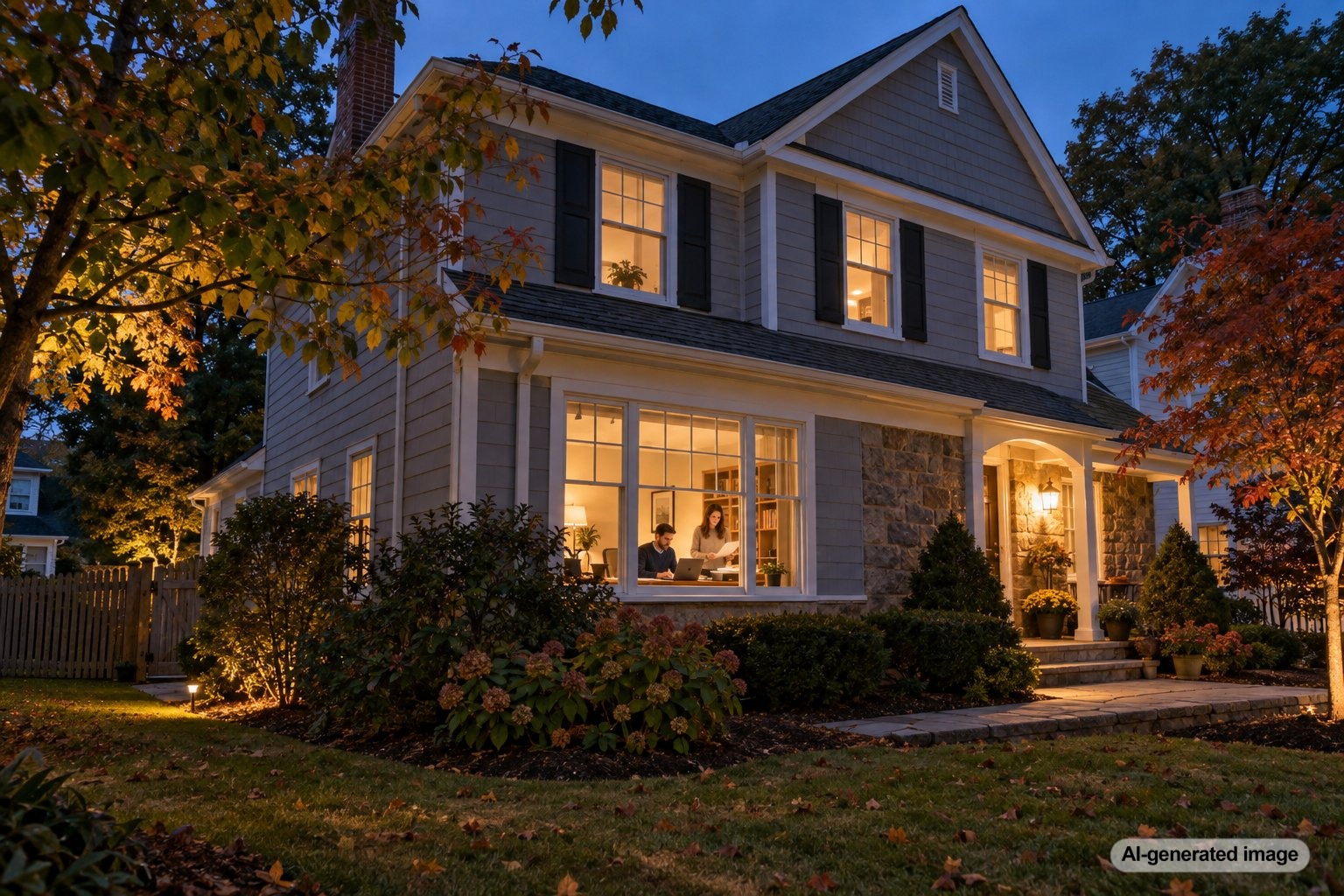
Early fall in New Jersey creates an unusual thermostat dilemma. Your house may feel warm enough to open the windows at dinner, yet the temperature outside can drop sharply before morning. If you have started using the heat occasionally, you might wonder whether lowering the thermostat overnight will reduce energy use or simply leave you waking up to a chilly house. For many homes, a modest nighttime setback makes sense, but the best approach depends on your heating equipment, insulation, sleeping preferences, and how quickly your home loses heat.
The important distinction is that an early fall thermostat schedule should respond to changing conditions rather than follow the same aggressive settings you might use in the middle of winter. Understanding how your home behaves overnight can help you find a comfortable balance without making your heating system work unnecessarily.
Yes, lowering your thermostat at night during early fall can reduce heating energy use when your home is being heated. However, the right setback depends on the type of heating system and whether the house actually needs heat overnight.
- For many homes with conventional furnaces or boilers, a modest setback of about 3 to 5 degrees is a reasonable starting point.
- If your heat rarely runs overnight, lowering the setting further may produce little additional benefit.
- Heat pumps may need a smaller setback or a steadier temperature, particularly when large temperature increases trigger auxiliary heat.
- Bedrooms that already run cold may need a gentler adjustment.
- A programmable or smart thermostat can help you establish a consistent schedule without repeated manual adjustments.
Why Lowering the Thermostat at Night Can Save Energy
When your heating system maintains a warmer indoor temperature than the air outside, heat gradually moves out of your home through walls, windows, ceilings, and other building surfaces. Lowering the thermostat reduces the temperature difference between indoors and outdoors, which generally slows that heat loss.
For example, suppose your thermostat is set to 70 degrees during the evening while the outdoor temperature falls into the 40s. Reducing the indoor setting to 66 degrees overnight can reduce the amount of heat your system must supply during those hours.
The idea that a furnace must work so much harder in the morning that it automatically cancels out nighttime savings is generally incorrect. With a conventional heating system, the reduced heat loss during the setback typically provides an energy benefit, even though the system must restore the temperature later.
There are important exceptions involving equipment controls, recovery strategies, and auxiliary heating. A thermostat schedule that works well for one house may be inefficient or uncomfortable in another.
Early Fall Is Different From the Middle of Winter
During winter, New Jersey homes often require heating throughout the night. Early fall is less predictable. An afternoon might reach 74 degrees, followed by an evening in the 50s and an overnight low near 42 degrees. The following night could remain considerably warmer.
That variability changes how useful a thermostat setback may be.
On Mild Nights, Your Heating System Might Not Run Anyway
Imagine that your home reaches 70 degrees in the evening after a sunny afternoon. You lower the thermostat to 65 degrees before bed, but the indoor temperature only drops to 67 degrees by morning.
In that situation, the heating system would not have needed to run with the 65-degree setting. However, the amount of energy saved compared with a higher setting depends on whether that higher setting would have triggered heating during the night.
There is no need to chase increasingly low thermostat numbers when your house is already staying comfortable without heat.
On Colder Nights, the Setback Becomes More Relevant
When outdoor temperatures fall substantially, your house may cool enough to activate the heating system. A lower overnight setpoint can then reduce how long the system needs to maintain warmer indoor conditions.
Older New Jersey homes with limited insulation, drafty windows, or unsealed attic penetrations may lose heat faster than well-insulated newer construction. Those homes can benefit from nighttime setbacks, but occupants may also notice the temperature change more quickly.
What Temperature Should You Set the Thermostat to at Night?
There is no single ideal nighttime setting for every household. Your preferred sleeping temperature, heating equipment, home construction, and health needs all matter.
For a home using a conventional furnace or boiler, consider the following starting points:
- If your daytime heating setting is 70 degrees: Try 66 or 67 degrees overnight and evaluate comfort.
- If your daytime setting is 68 degrees: A nighttime setting around 64 to 65 degrees may be comfortable for some households.
- If bedrooms already feel cold: Begin with a 1- or 2-degree reduction rather than a larger change.
- If your house stays warm naturally: A lower setting may simply prevent unnecessary heating rather than create significant additional savings.
These are starting points, not universal recommendations. Households with infants, older adults, people with medical conditions, or anyone sensitive to cold may need warmer temperatures. Comfort and safety should take priority over maximizing a setback.
Make one adjustment at a time and give yourself several nights to assess it. If you are waking up uncomfortable or frequently raising the thermostat in the middle of the night, your setting may be too low for your circumstances.
Does a Nighttime Setback Work Differently With a Heat Pump?
Yes. This is one of the most important details homeowners can overlook when developing a fall thermostat schedule.
A conventional furnace and an electric heat pump do not necessarily respond to temperature recovery in the same way.
Conventional Furnaces and Boilers
Many conventional heating systems can accommodate moderate overnight setbacks without unusual control complications. When the thermostat calls for a warmer temperature in the morning, the equipment runs until the desired setting is reached.
The recovery period may take longer in homes with high heat loss, large thermal mass, or equipment that responds slowly. For example, some radiant heating systems are better suited to smaller or less frequent thermostat changes because floors and other heated surfaces take time to warm up and cool down.
Air-Source Heat Pumps
Heat pumps move heat rather than generate all of it directly. Some heat pump installations include electric resistance auxiliary heat that may activate when outdoor conditions are cold or when the thermostat requests a large temperature increase.
If a substantial morning setback recovery activates that auxiliary heat unnecessarily, the extra electricity consumption can reduce or eliminate the savings from the overnight setback.
Newer variable-speed heat pumps and compatible thermostats may manage setbacks differently, so there is no universal rule that all heat pumps must remain at one temperature.
If you have a heat pump, start with a small adjustment and follow the equipment manufacturer’s thermostat guidance. A qualified HVAC technician can also help determine whether your thermostat is configured appropriately for your system.
Should You Turn the Heat Off Completely Overnight?
On an early fall evening when the house is already warm and outdoor temperatures are mild, you might be tempted to shut the heating system off entirely.
That may be reasonable in some conditions, but leaving the thermostat in heating mode with a lower setpoint is often more convenient. It allows the system to respond automatically if outdoor temperatures drop farther than expected.
Turning the heat off completely may be less appropriate when:
- A sudden cold night could leave the house uncomfortably chilly.
- Someone in the household requires a consistent indoor temperature.
- Parts of the home are particularly drafty or poorly insulated.
- You will be away overnight and unable to respond to changing weather.
- Temperatures are expected to approach freezing and vulnerable plumbing needs protection.
Early fall weather is variable enough that keeping a reasonable minimum heating setpoint can offer peace of mind without requiring the furnace or heat pump to run continuously.
How Smart Thermostats Make Fall Temperature Changes Easier
One common problem with manual thermostat adjustments is forgetting to change the setting back in the morning. Another is repeatedly adjusting the thermostat when the outdoor temperature fluctuates.
A programmable thermostat can establish different temperatures for sleeping, waking, working hours, and evenings. A compatible smart thermostat may add scheduling features, system information, and options that account for occupancy or temperature recovery.
Homeowners comparing these options can explore Meyer & Depew’s thermostat solutions to understand the available approaches to temperature control.
Be Careful With Automatic Heating and Cooling Changeover
Early fall can produce an unusual situation: your home needs cooling in the late afternoon but heating before sunrise.
Some thermostats support automatic changeover between heating and cooling. If you use this feature, make sure the heating and cooling setpoints have enough separation to avoid unnecessary switching between modes.
For example, maintaining a heating threshold of 66 degrees and a cooling threshold of 75 degrees creates a clear temperature range where neither system needs to operate.
Setting heating and cooling targets too close together can cause frequent mode changes, especially when sunlight, indoor heat sources, and outdoor conditions shift throughout the day. Follow your thermostat’s instructions for the required temperature separation.
Why Some Bedrooms Feel Colder Than the Thermostat Setting
The temperature displayed on a hallway thermostat does not necessarily represent the temperature in every bedroom.
In Central and Northern New Jersey, older two-story homes may have substantial temperature differences between floors or between rooms facing different directions.
A bedroom over an unheated garage, a room with large windows, or a space at the end of a long duct run may cool faster than the central hallway where the thermostat is installed.
This matters when lowering the nighttime setting. If the hallway remains at 66 degrees but a bedroom drops several degrees lower, occupants may find the sleeping space uncomfortable even though the thermostat appears to be working correctly.
Persistent room-to-room temperature differences may involve airflow, insulation, ductwork, thermostat location, or equipment operation. Depending on the home’s layout and existing HVAC system, zoning systems may be worth discussing with a professional.
Safe Ways to Test Your Early Fall Thermostat Schedule
- Record your current settings. Note the temperature you normally maintain during the evening and while sleeping.
- Try a modest setback. Lower the nighttime heating setting by a few degrees rather than making a large change immediately.
- Check bedroom comfort. Pay attention to rooms that tend to become colder than the main living area.
- Observe morning recovery. Notice whether the home reaches a comfortable temperature before your normal wake-up activities.
- Inspect the air filter. Replace a dirty filter according to the system manufacturer’s instructions, since restricted airflow can affect heating performance.
- Keep vents unobstructed. Make sure supply and return vents are not blocked by furniture, rugs, or stored items.
- Review your thermostat programming. Confirm that the schedule, heating mode, and recovery features match your equipment and routine.
If your thermostat provides operating history, use it to compare how often the heating system runs under different conditions. Remember that weather can change significantly from night to night, so a single day’s operating time is not a reliable measure of energy savings.
When a Thermostat Problem May Actually Be an HVAC Problem
A nighttime setback should not regularly cause extreme temperature swings, persistent heating problems, or unusual equipment behavior.
Consider professional evaluation if you notice any of the following:
- The system struggles to reach the scheduled morning temperature even after allowing a reasonable recovery period.
- The thermostat reports a temperature that seems substantially different from the room’s actual conditions.
- The heating system repeatedly turns on and off in unusually short cycles.
- Some rooms remain excessively cold despite open vents and a clean filter.
- A heat pump frequently uses auxiliary heat during mild outdoor conditions, without an obvious reason.
- The equipment makes unusual noises or operates inconsistently after changing thermostat settings.
These symptoms do not automatically mean the thermostat is defective. A qualified technician can evaluate the controls, airflow, heating equipment, and system configuration to identify potential causes.
For homeowners preparing their systems for colder weather, regular heating service and maintenance can also help identify issues before heating demand increases.
Frequently Asked Questions About Nighttime Thermostat Settings
Is it cheaper to leave the thermostat at one temperature all night?
For many homes with conventional heating equipment, lowering the thermostat overnight can reduce heating energy consumption compared with maintaining a warmer setting continuously. However, heat pumps, radiant heating systems, and certain thermostat recovery configurations may benefit from smaller adjustments or steadier operation.
Is 65 degrees too cold for sleeping?
Some people sleep comfortably at 65 degrees, while others find it too cold. Bedding, bedroom location, personal preferences, and individual health needs influence the answer. Choose a temperature that supports comfortable, safe sleep rather than treating a particular number as mandatory.
Should I lower the thermostat if it is still warm outside?
You can lower the heating setpoint, but if your home never cools enough to activate the heat, the adjustment may not meaningfully change energy use. On mild nights, the system may remain off regardless of a moderate setback.
How early should the heat come back on in the morning?
That depends on your system’s heating capacity, the home’s heat loss, and how far the indoor temperature has fallen. Some programmable thermostats have an adaptive recovery feature that starts heating before the scheduled comfort time. If yours does not, experiment with a reasonable lead time rather than immediately increasing the target temperature.
Can lowering the thermostat too much make a heat pump less efficient?
It can in certain systems. A large temperature increase in the morning may activate electric resistance auxiliary heat, which can consume more electricity than normal heat pump operation. The best strategy depends on your equipment and thermostat configuration.
The Bottom Line for New Jersey Homeowners
Lowering your thermostat at night during early fall is often worthwhile when your home needs heat overnight, but bigger setbacks are not always better. Start with a modest reduction, consider your heating equipment, and pay attention to bedroom comfort and morning recovery. The most useful thermostat schedule is one that works with your home’s actual conditions rather than against them.
As cooler nights become more frequent, a dependable thermostat schedule can make the transition into heating season easier. If your system struggles with temperature changes or behaves unexpectedly, having its controls and heating performance checked can help you understand what needs attention.
Want to make HVAC maintenance easier to stay on top of?
A service plan can help keep routine heating and cooling maintenance on your calendar before small issues become bigger headaches.
You can also request a service appointment.