



Can Open Windows During Fall Allergy Season Make Indoor Air Quality Worse?
Estimated reading time: 12 minutes
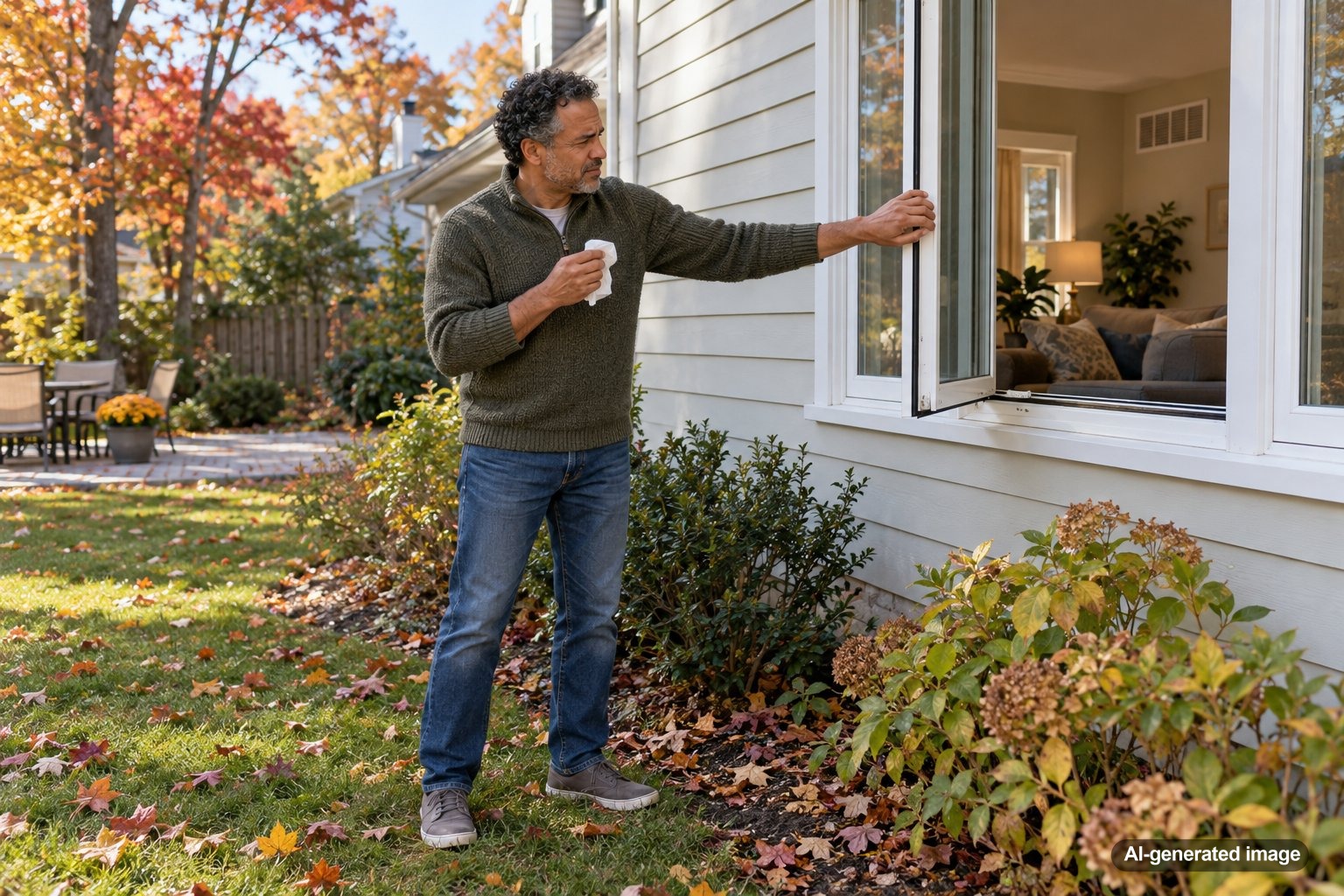
A cool October afternoon in New Jersey can make opening every window in the house feel like the perfect way to freshen up indoor air. The summer humidity has eased, the heating system may not be running much yet, and a pleasant breeze seems like a welcome alternative to keeping the house closed. But if someone in your household struggles with fall allergies, that refreshing breeze may also be carrying pollen, mold spores, and other airborne irritants into your living space. Yes, opening windows during fall allergy season can make indoor air quality worse, even when the outdoor air feels crisp and clean.
The important distinction is that fresh air and clean air are not always the same thing. Opening windows can help dilute certain indoor pollutants, but it also allows outdoor allergens to enter without passing through your HVAC filter. Knowing when outdoor ventilation helps and when it creates problems can make a noticeable difference in how you manage your home’s comfort. For homeowners exploring longer-term solutions, indoor air quality and comfort options may help address concerns that changing window habits alone cannot resolve.
Opening windows during fall allergy season can worsen indoor air quality when outdoor pollen, mold spores, or pollution levels are elevated. However, keeping windows closed all the time can also allow certain indoor pollutants to accumulate.
- Fall ragweed pollen can enter through open windows and settle on indoor surfaces.
- Outdoor mold spores from damp leaves and decaying vegetation may become airborne and enter the home.
- Windy days can increase the movement of outdoor allergens into living spaces.
- Outdoor humidity can influence indoor moisture levels and conditions that support mold growth.
- Checking local pollen, air quality, and humidity conditions can help you decide when opening windows makes sense.
Why Fall Air Can Trigger Allergies Even When It Feels Refreshing
Fall allergy season overlaps with some of the most comfortable outdoor temperatures in Central and Northern New Jersey. Unfortunately, temperature alone does not tell you much about the concentration of airborne allergens.
Ragweed is a major seasonal allergen in the Northeast. Its lightweight pollen can travel through the air and enter homes through open windows, doors, and other openings. Depending on weather conditions, ragweed pollen may remain a concern into the fall until frost reduces local pollen production.
Outdoor mold spores are another consideration. Fallen leaves, damp soil, compost, and decomposing vegetation can support mold growth. When conditions allow spores to become airborne, opening windows can provide a direct pathway indoors.
A homeowner may notice more sneezing while sitting near an open window, even though the room feels cooler and less stuffy. That does not necessarily mean the house itself has a mold problem or that its HVAC equipment is malfunctioning. The outdoor air may simply be introducing allergens faster than the home can remove them.
How Open Windows Change Indoor Air Quality
Opening a window changes more than the temperature in a room. It changes the way outdoor and indoor air mix, often without the filtration that occurs when air moves through a properly equipped forced-air HVAC system.
Pollen enters and settles throughout the room
Airborne pollen does not necessarily disappear once the windows are closed. Some particles settle on windowsills, upholstered furniture, bedding, and floors. Others may become airborne again when people move through a room, make a bed, or disturb dusty surfaces.
This helps explain why allergy symptoms can continue after the outdoor breeze stops. Closing the window prevents additional pollen from entering through that opening, but it does not immediately remove allergens already inside.
Mold spores can travel indoors
Autumn yard conditions can create substantial sources of outdoor mold spores. A window overlooking a damp leaf pile, compost area, or heavily shaded landscape may expose the nearby room to those spores when outdoor concentrations are elevated.
Outdoor mold spores entering a home do not automatically mean indoor mold will grow. Persistent indoor moisture is generally the more important factor in whether mold develops on building materials. Still, airborne spores can bother sensitive occupants even when they do not establish an indoor colony.
Humidity can move in the wrong direction
Cool weather does not always mean dry outdoor air. Rainy fall conditions can bring considerable moisture, and opening windows may raise indoor humidity when outdoor moisture conditions are unfavorable.
Excess indoor moisture can contribute to condensation, dust mite activity, and mold growth under suitable conditions. On the other hand, outdoor air with a low moisture content can sometimes help reduce indoor humidity through ventilation.
A basic indoor hygrometer can help homeowners see what is happening rather than relying on how the air feels. A commonly recommended indoor relative humidity range is about 30% to 50%, although maintaining an appropriate level depends on building conditions and outdoor temperatures.
Outdoor pollution can enter along with the breeze
Fall allergies are not the only issue. Traffic pollution, smoke from outdoor burning, wildfire smoke when present, and other airborne contaminants may also enter through open windows.
A pleasant outdoor temperature is not a reliable indication of air quality. On days with elevated particulate pollution, keeping windows closed and using suitable indoor filtration may be a better choice.
Is It Better to Keep Windows Closed Throughout Fall?
Not necessarily. Keeping every window closed for the entire season is not always the best indoor air quality strategy either.
People and everyday activities generate indoor pollutants. Cooking, cleaning products, building materials, furnishings, moisture, and normal household activities can affect the air inside a home. Without adequate ventilation, some contaminants and odors can accumulate.
The goal is not to eliminate outdoor air. It is to bring in appropriate amounts of outdoor air under suitable conditions while limiting unnecessary exposure to allergens and pollution.
For someone with significant ragweed sensitivity, closing bedroom windows during high-pollen periods may be particularly helpful. A household with fewer allergy concerns may be able to enjoy occasional natural ventilation when outdoor conditions are favorable.
Consider the difference between two fall afternoons: A dry, gusty afternoon with elevated ragweed pollen may be a poor time to open windows, even if the temperature is ideal. A calm afternoon with low pollen readings and good outdoor air quality may offer a better opportunity to ventilate naturally.
Neither situation can be judged reliably from temperature alone.
Does the Time of Day Matter When Opening Windows?
It can, but there is no universally safe hour for avoiding fall allergens.
Pollen concentrations change with plant species, wind, weather, and local conditions. Although some pollen types follow predictable daily patterns, the idea that opening windows at one particular hour always prevents pollen exposure is too simplistic.
Rain can temporarily remove some airborne pollen, but damp conditions may also affect mold spore exposure. Wind can carry allergens into areas far from their original source, and local landscaping can influence what enters a particular window.
Instead of following a fixed opening schedule, check local pollen forecasts and outdoor air quality information before ventilating naturally. Pay attention to which conditions seem to worsen symptoms for people in your household.
For bedrooms used by allergy-sensitive family members, keeping windows closed during periods of elevated outdoor allergens may be worthwhile, especially because bedding and other soft furnishings can collect particles.
What Role Does Your HVAC System Play in Fall Indoor Air Quality?
A home’s HVAC equipment can be part of an effective indoor air quality strategy, but its contribution depends on the type of system, filter, operating conditions, and ventilation arrangement.
Air filtration can capture particles that open windows bypass
In a forced-air heating and cooling system, air moving through the equipment generally passes through an installed filter. Depending on the filter’s efficiency, condition, fit, and compatibility with the system, it can capture some airborne particles, including certain pollen and other allergens.
Opening a window introduces outside air directly into the occupied space. That incoming air is not necessarily filtered before people breathe it.
A more efficient filter may capture smaller particles, but selecting the highest-rated filter available is not automatically the right approach. Filters that create excessive airflow resistance can affect HVAC performance. The appropriate filter depends on the equipment and its airflow requirements.
Homeowners interested in additional filtration may also explore residential air purification systems. A qualified HVAC professional can assess which options are suitable for the home’s equipment and indoor air quality concerns.
Running the fan does not necessarily bring in fresh outdoor air
Many residential forced-air systems primarily recirculate indoor air. When the thermostat fan runs, the system may move air through its filter without introducing a meaningful amount of outdoor ventilation.
This distinction matters because filtration and ventilation perform different jobs. Filtration helps remove certain particles from air passing through the filter. Ventilation introduces outdoor air to dilute indoor-generated pollutants.
Some homes have dedicated outdoor-air ventilation equipment, while others depend substantially on exhaust fans, natural ventilation, and incidental air leakage.
Air purifiers have limitations
Appropriately selected particle filtration equipment may help reduce airborne allergens. However, an air purifier cannot prevent all outdoor pollen from entering through open windows, remove every indoor contaminant, or correct a moisture problem.
Portable room air cleaners should be appropriately sized for the room and selected for the contaminants of concern. Mechanical filtration, ventilation, moisture control, and pollutant source reduction often need to work together.
Practical Ways to Enjoy Fall Weather Without Inviting More Allergens Inside
You do not need to treat every pleasant fall breeze as a problem. A few deliberate habits can help balance comfort with indoor air quality.
- Check outdoor conditions. Review local pollen forecasts and the Air Quality Index before opening windows, particularly when someone in the household has asthma or seasonal allergies.
- Limit window opening during high-pollen conditions. Keep windows closed when outdoor allergens are elevated or symptoms consistently worsen with natural ventilation.
- Inspect the HVAC filter. Replace a dirty filter according to the equipment manufacturer’s instructions and use a filter that is compatible with your system.
- Keep supply and return vents unobstructed. Blocked airflow can interfere with normal system performance.
- Watch indoor humidity. Use a hygrometer to identify prolonged high humidity and address visible condensation or moisture problems promptly.
- Reduce tracked-in allergens. Remove shoes at the entrance, clean frequently used surfaces, and consider changing clothes after yard work.
- Maintain suitable exhaust ventilation. Use kitchen and bathroom exhaust fans as appropriate to help control cooking pollutants and moisture.
- Keep damp leaves away from frequently opened windows. Regular yard cleanup can reduce nearby accumulations of decomposing material, although it cannot eliminate regional outdoor mold spores.
If allergies are a recurring problem, consider starting with the bedroom. Keeping bedroom windows closed during elevated pollen conditions, washing bedding regularly, and reducing dust-collecting clutter may help limit exposure in the space where household members spend many hours.
Special Considerations for Older New Jersey Homes
Central and Northern New Jersey include many homes built before modern mechanical ventilation practices became common. Older homes can have very different airflow characteristics, even when they look similar from the outside.
A drafty older house may receive substantial unfiltered outdoor air through gaps around windows, doors, and other building openings, even when the windows are closed. A tightly sealed renovated home may have fewer uncontrolled air leaks but may require more deliberate ventilation to manage indoor-generated pollutants.
These differences help explain why simply opening or closing windows is not a complete air quality plan.
Another overlooked factor is the type of heating system. Homes heated by boilers and radiators may not have central forced-air ductwork or a whole-home HVAC filter. In those homes, filtration and ventilation options differ from those in houses with ducted furnaces or heat pumps.
A homeowner considering whole-home air filtration should first determine which equipment is present and how air actually moves throughout the living space.
When Should You Talk to an HVAC Professional About Indoor Air Quality?
Occasional pollen entering through an open window is not usually a sign that HVAC equipment needs repair. However, recurring air quality concerns may justify a closer look at ventilation, filtration, humidity, and airflow.
A professional assessment may be useful if you notice persistent stuffiness despite reasonable ventilation, unusual humidity levels, recurring condensation, poor airflow, or significant differences in comfort between rooms.
It can also help when you are considering a higher-efficiency HVAC filter, whole-home air purification equipment, or a dedicated ventilation solution. Equipment selection should reflect the home’s layout, existing HVAC system, airflow requirements, and the specific problem you want to address.
For households dealing with frequent allergy symptoms, HVAC improvements may reduce some exposures, but they are not a substitute for medical evaluation. A healthcare professional can help identify allergy triggers and appropriate symptom management. If you discover extensive visible mold or an ongoing water intrusion problem, addressing the moisture source and obtaining appropriate remediation guidance is essential.
Frequently Asked Questions About Open Windows and Fall Allergies
Can pollen still enter my house when the windows are closed?
Yes. Pollen can enter through doors, building air leaks, clothing, shoes, and other pathways. Closing windows during high-pollen periods can reduce one significant route of entry, but it will not create an allergen-free home.
Does a window screen stop pollen from entering?
Standard insect screens are designed primarily to keep insects out, not to capture microscopic airborne particles. They may intercept some larger debris, but they should not be relied upon to block pollen or mold spores.
Is opening windows after rain better for allergies?
Sometimes, but not always. Rain can temporarily reduce airborne pollen concentrations, while damp conditions may influence outdoor mold spores. Local pollen readings, wind, and air quality conditions provide better guidance than rainfall alone.
Should I run my HVAC fan when the windows are open?
Running a compatible forced-air system’s fan may circulate some indoor air through its filter, but it does not guarantee effective removal of incoming outdoor allergens. Open windows can also affect heating and cooling efficiency when equipment is actively conditioning the space. The appropriate approach depends on your system and outdoor conditions.
Can a better HVAC filter help with fall allergies?
A properly selected and installed filter with suitable particle-capture efficiency may help reduce airborne allergens when the system circulates air. However, the filter must be compatible with the equipment, and results depend on several factors, including airflow, operating time, particle sources, and how much outdoor air enters the home.
The Bottom Line: Choose When to Open Windows, Not Just Whether to Open Them
Opening windows during fall allergy season can make indoor air quality worse when pollen, mold spores, or outdoor pollution are elevated. Yet keeping a home closed without adequate ventilation can create different air quality concerns. A balanced approach considers outdoor conditions, indoor humidity, household sensitivities, and how the home’s HVAC system handles filtration and ventilation.
For New Jersey homeowners, the most useful habit is to make window-opening decisions based on the conditions outside rather than temperature alone. Combining sensible ventilation with compatible filtration, moisture management, and routine HVAC care can help create a more comfortable indoor environment without assuming that any single measure will solve every air quality concern.
Need help with your heating, cooling, or HVAC system?
Meyer & Depew serves homeowners and businesses throughout Central and Northern New Jersey.
Get a quote or call 908.272.2100.