

Should You Turn Off an AC That Smells Like Burned Plastic?
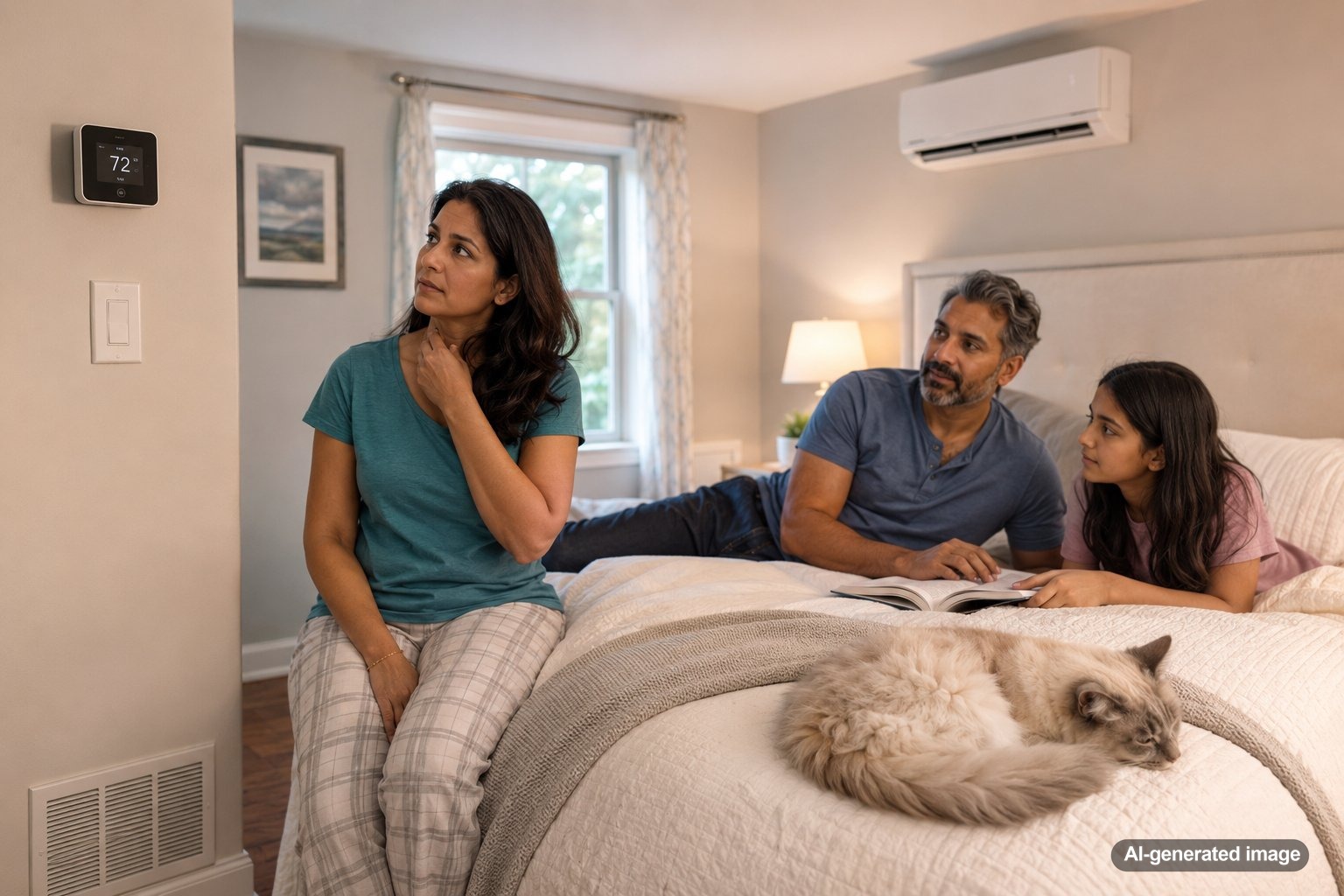
Yes. If your AC smells like burned plastic, turning the system off is generally the safest next step, especially when the odor is strong, persistent, or clearly electrical. A burning or melting-plastic smell can be associated with overheating electrical components, damaged wiring, a failing motor, or another problem that should not be ignored. Because electrical HVAC issues can create a fire or shock hazard, this is not a situation where you should keep the air conditioner running to see whether the smell disappears.
For homeowners in Central and Northern New Jersey, a cooling problem on a hot day can be frustrating, but safety should come before comfort. Shut the system down and arrange for a qualified HVAC technician to evaluate the source of the odor. Meyer & Depew provides AC service and maintenance for homeowners who need help diagnosing cooling system problems.
If your AC smells like burned plastic, turn it off rather than continuing to operate it. Do not open electrical panels, handle damaged wiring, or attempt electrical repairs yourself. If you see smoke, sparks, or signs of an active fire, move to a safe location and contact the appropriate emergency service. Otherwise, schedule professional HVAC service so the system can be inspected before you run it again.
Why Can an AC Smell Like Burned Plastic?
An air conditioner contains motors, wiring, capacitors, circuit boards, insulation, connectors, and other components that can produce an unusual odor if they overheat or fail. A burned-plastic smell does not identify one specific problem by itself, so a technician needs to inspect the equipment before determining the cause.
The location and timing of the odor can provide useful clues. For example, a smell that appears immediately when the system starts may point toward an electrical or motor-related problem. An odor that becomes noticeable only after the AC has been running for several minutes could be associated with a component heating up under load. If the smell comes through multiple supply vents, the air handler or duct system may be distributing an odor that originates somewhere near the HVAC equipment.
Common Problems That May Cause a Burning Plastic Smell
Overheating electrical components
Electrical connections and components can generate excessive heat when they are damaged, loose, overloaded, or beginning to fail. Insulation or nearby plastic materials may then produce a sharp burning odor. Electrical problems should be evaluated by a qualified professional rather than handled as a DIY repair.
A struggling blower motor
The blower motor moves conditioned air through your ductwork. If a motor is overheating or experiencing an internal problem, it may create a hot electrical or burning smell. You might also notice weak airflow, unusual noises, or a system that shuts off unexpectedly, although symptoms vary and should not be treated as a definitive diagnosis.
A problem near the outdoor unit
The outdoor portion of an AC system also contains electrical components and a fan motor. An electrical failure, damaged component, or overheating motor outside can sometimes create a noticeable odor near the equipment. Avoid removing panels or reaching into the unit to investigate.
Foreign material near a hot component
Occasionally, plastic, insulation, debris, or another material may come into contact with a component that becomes warm during operation. The resulting odor can resemble melting plastic. Even if the explanation appears simple, continuing to operate the equipment without knowing what is overheating can create unnecessary risk.
Damaged wiring or insulation
Wiring insulation can deteriorate because of age, heat, vibration, physical damage, or other equipment problems. If insulation begins overheating, the smell may be particularly sharp and electrical. Do not touch suspicious wiring or attempt to tape, splice, or repair it yourself.
Should You Ever Wait to See if the Smell Goes Away?
A true burned-plastic or electrical burning smell is different from some temporary HVAC odors that may occur after equipment has been unused. If the odor resembles melting plastic, hot wiring, or an electrical fire, the safer approach is to turn the system off and have it checked.
Continuing to run the AC can make troubleshooting more difficult if a failing component suffers additional damage. More importantly, an electrical problem may become more serious while the equipment remains energized. You do not need to identify the exact source before shutting the system down.
What Can You Safely Check?
You can make a few basic observations without opening the HVAC equipment or handling electrical components. These checks may provide useful information when you speak with a technician, but they should not delay service when a burning smell is present.
- Turn the thermostat to off so the AC stops operating.
- Notice whether the smell is strongest near the thermostat, indoor air handler, outdoor unit, or supply vents.
- Look for visible smoke or obvious external damage without opening equipment panels.
- Check whether the air filter is unusually dirty or heavily restricted.
- Make sure supply and return vents are open and not blocked.
- Listen for unusual buzzing, grinding, or repeated clicking, but do not restart the system simply to reproduce a noise.
If a breaker has tripped, you can note that information for the technician. A repeatedly tripping breaker can indicate an electrical problem, so do not keep resetting it in an effort to force the AC to operate.
When Is a Burning AC Smell an Emergency?
If you see smoke, sparks, flames, glowing electrical components, or other signs of an active fire, prioritize getting people and pets to safety and contact the appropriate emergency service. Do not attempt to troubleshoot the HVAC system while there is an immediate fire or electrical hazard.
You should also avoid touching equipment that appears burned, melted, wet, or electrically damaged. If the situation does not involve an active emergency but you still smell burned plastic, leave the AC off and arrange for qualified service before operating it again.
What Will an HVAC Technician Look For?
A qualified technician can inspect the cooling system to determine where the odor is originating and whether an electrical, motor, airflow, or equipment problem is involved. The exact inspection depends on the system and symptoms, but it may include evaluating electrical connections, motors, controls, wiring, airflow, and signs of overheating.
The goal is not simply to eliminate the smell. The important question is what caused the overheating or damage in the first place. Replacing a visibly damaged part without understanding an underlying problem could leave the system vulnerable to another failure.
If the AC has experienced recurring problems, is reaching an advanced age, or requires a significant repair, a technician can also help you understand whether continued repair or replacement deserves consideration. Homeowners considering a larger system upgrade can learn more about AC installation and replacement.
Can a Dirty Air Filter Cause a Burning Smell?
A severely restricted air filter can interfere with airflow and place additional strain on parts of an HVAC system, but a burned-plastic smell should not automatically be blamed on the filter. Replacing a dirty filter is an appropriate homeowner maintenance step, but it does not rule out an electrical or mechanical problem.
If you noticed a burning odor, replacing the filter should not be treated as permission to restart the system and assume the issue is solved. Have the equipment evaluated when the odor resembles overheated wiring, melting plastic, or another electrical smell.
Can the Smell Come Through the Air Vents?
Yes. If an odor originates around the indoor HVAC equipment, the blower can distribute that smell through the ductwork and into multiple rooms. That can make it seem as though the problem is inside a particular vent when the actual source is elsewhere in the system.
Pay attention to whether the odor is present throughout the home or concentrated near one area, but avoid removing ductwork, electrical covers, or equipment panels to investigate. A technician can trace the source more safely.
Should You Turn the AC Back On After the Smell Stops?
If the odor clearly smelled like burned plastic or an electrical component, the fact that it disappeared does not necessarily mean the underlying problem is gone. A component may stop producing an odor when it cools, only to overheat again during the next operating cycle.
Keep the system off until a qualified technician can determine whether it is safe to operate. This is especially important if you also noticed smoke, buzzing, breaker trips, weak airflow, unusual cycling, or visible heat damage.
How Can Regular HVAC Maintenance Help?
Routine HVAC maintenance gives a technician an opportunity to inspect equipment, identify developing wear, evaluate system operation, and address certain problems before they become more disruptive. Maintenance cannot prevent every electrical or mechanical failure, but it can help reduce the risk of overlooked issues.
Homeowners can also support reliable operation by replacing filters when needed, keeping supply and return vents unobstructed, and paying attention when the system begins behaving differently. New smells, noises, airflow changes, repeated breaker trips, and unusual cycling are all reasons to have the equipment evaluated instead of assuming the symptom will resolve itself.
Frequently Asked Questions
What should I do first if my AC smells like melting plastic?
Turn the AC off. If there is no active fire or smoke emergency, contact a qualified HVAC professional and explain what you smelled and where the odor seemed strongest. Avoid opening equipment panels or touching electrical components.
Is a burning plastic smell from an AC dangerous?
It can indicate an electrical or overheating problem, which means it should be treated seriously. The odor alone cannot confirm the exact failure, but continuing to operate the equipment is not worth the potential safety risk.
Can I reset the breaker and see if the AC works?
If you experienced a burning smell and the breaker has tripped, do not repeatedly reset it to keep the system running. A tripped breaker may be associated with a problem that requires professional evaluation.
What if the smell only lasted a few seconds?
A brief odor does not necessarily mean the problem has corrected itself. If the smell was clearly electrical or similar to burned plastic, keeping the system off and scheduling an inspection is the safer choice.
Who should I call for an AC burning smell in New Jersey?
For a non-emergency HVAC issue, contact a qualified heating and cooling contractor. Meyer & Depew serves homeowners throughout Central and Northern New Jersey and can evaluate AC problems that involve unusual odors, electrical concerns, airflow issues, and other cooling system symptoms.
If your AC smells like burned plastic, shut it off and do not continue running it while trying to identify the cause. Electrical and overheating problems require proper diagnosis, and a qualified HVAC technician can determine what failed and what needs to be corrected before the equipment is operated again.
Need help with your heating, cooling, or HVAC system?
Meyer & Depew serves homeowners and businesses throughout Central and Northern New Jersey.
Get a quote or call 908.272.2100.