



Can Acorns, Twigs, and Seed Pods Damage an Outdoor HVAC Unit?
Estimated reading time: 11 minutes
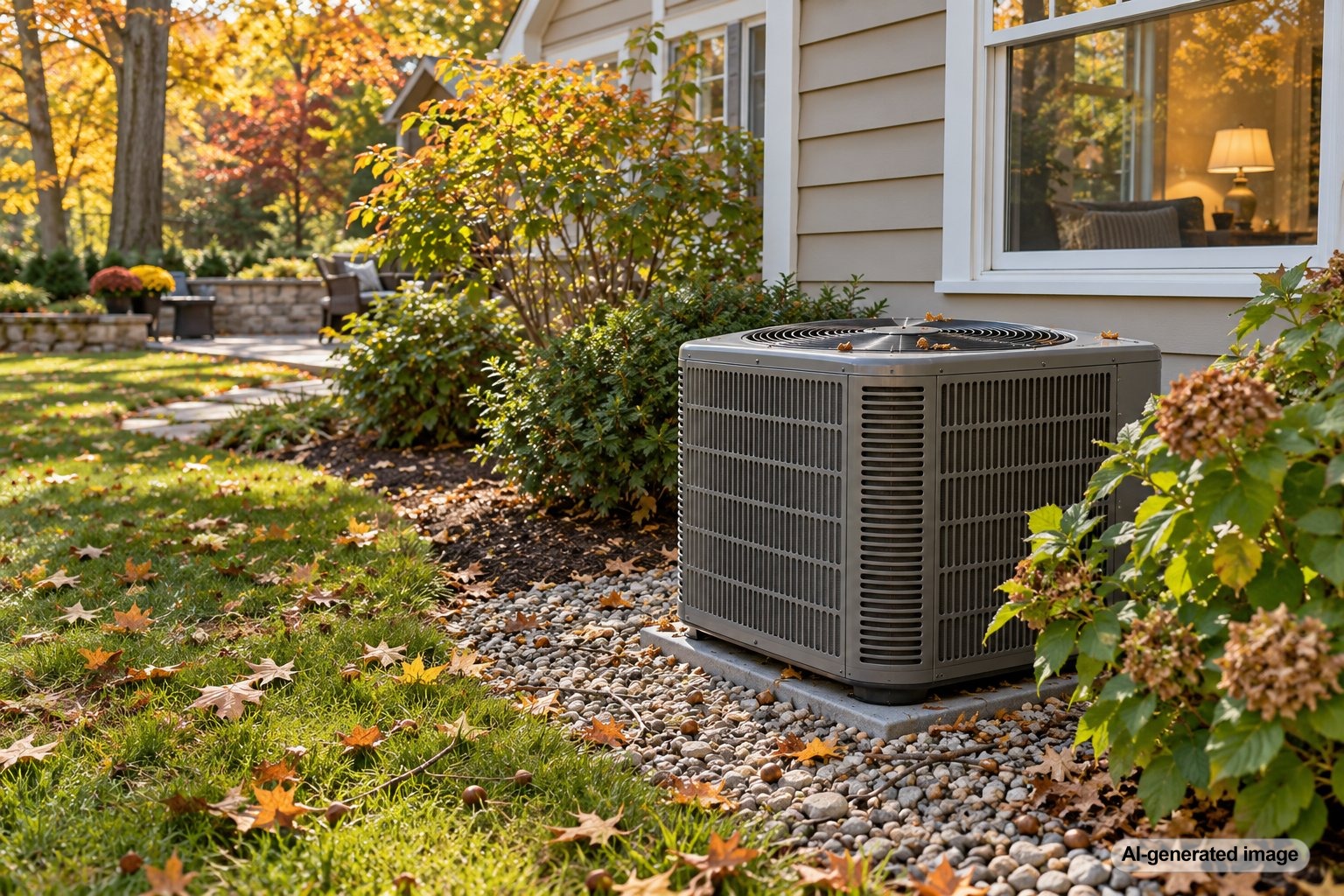
Yes, acorns, twigs, and seed pods can damage an outdoor HVAC unit, although the risk depends on where the debris lands, how much accumulates, and whether it interferes with moving parts or airflow. A few acorns sitting on top of an air conditioner usually aren’t an emergency. A collection of twigs, leaves, and seed pods inside the cabinet or packed against the condenser coil is a different story. During fall in Central and Northern New Jersey, outdoor heating and cooling equipment can collect more yard debris than homeowners realize, particularly when the unit sits beneath mature trees.
The challenge is knowing which debris is harmless, which requires simple cleanup, and which may indicate a problem that deserves professional attention. Understanding those differences can help you protect your equipment without taking unnecessary risks or dismantling anything yourself.
- Acorns can create rattling noises or potentially interfere with fan operation if they enter the unit.
- Twigs may become lodged near fan blades, guards, or other internal components.
- Seed pods and lightweight plant material can collect against condenser coils and restrict airflow.
- Small amounts of loose debris outside the cabinet are usually less concerning than material trapped inside.
- Homeowners can safely clear accessible debris around the unit, but internal obstructions and unusual operating noises should be evaluated by an HVAC professional.
Why Outdoor HVAC Units Collect So Much Debris in the Fall
Outdoor air conditioners and heat pumps are designed to operate in changing weather conditions. They are not, however, completely protected from objects falling out of nearby trees or blowing across the yard.
Many residential systems use a fan to move outdoor air through the equipment. On a typical central AC condenser, air enters through the sides and exits through the top. This movement can pull lightweight debris toward exterior coil surfaces, while heavier objects may fall through openings in the top grille when the equipment is not operating.
New Jersey properties with oak, maple, sycamore, and other mature trees can experience several different kinds of debris accumulation throughout the year. Acorns may fall heavily in autumn, while helicopters from maple trees, seed clusters, small branches, and leaves can appear at different points in the growing season.
A unit installed near a wooded property line, beneath overhanging branches, or beside a planting bed may encounter more debris than equipment positioned in an open area. Routine air conditioning service and maintenance can help identify buildup and other issues that may not be apparent from a quick glance.
Can Falling Acorns Actually Damage an AC Condenser?
Acorns are relatively small, but they are dense and hard. Most that strike an outdoor unit simply bounce away or remain on the protective grille. An occasional impact does not automatically mean anything is broken.
The concern increases when acorns pass through openings in the fan guard or become trapped inside the cabinet.
Acorns Near the Fan
A loose acorn inside the cabinet may rattle against metal surfaces when the equipment starts or stops. If it reaches the rotating fan area, it could interfere with blade movement or cause an impact.
The protective fan grille reduces exposure to foreign objects, but it should not be treated as a completely sealed barrier.
Acorns Accumulating Inside the Cabinet
Several acorns collecting inside the bottom of a unit may remain there without causing immediate damage. However, they can become mixed with leaves, dirt, and other organic material. This buildup may interfere with drainage or contribute to moisture retention in areas where debris is trapped.
Not every acorn inside an AC unit requires an emergency repair visit. The more meaningful warning signs are unusual noises, visible fan obstruction, or changes in equipment operation.
Why Twigs Can Be More Troublesome Than Acorns
Twigs create a different type of risk because of their shape. A thin branch may pass through a grille opening and extend across an area where equipment components need clearance.
Potential problems include:
- Fan interference: A twig extending into the fan’s path may produce clicking, scraping, or repeated tapping sounds.
- Blocked airflow: A collection of branches, leaves, and other material against the condenser can restrict air movement.
- Bent coil fins: A falling branch or forceful contact can deform delicate exterior coil fins.
- Trapped organic debris: Twigs can catch leaves and seed pods, allowing a larger obstruction to develop over time.
One small twig resting against the exterior cabinet is generally less concerning than a branch visibly penetrating the fan guard.
If a twig appears to be touching the fan or another internal component, shut the system off using the normal thermostat controls and arrange for professional evaluation. Do not reach through the grille or attempt to pull an obstruction out while the equipment could start.
Seed Pods May Cause Problems Without Making Any Noise
Seed pods are easy to overlook because many are lightweight and flexible. Some are small enough to pass through openings, while others collect on the outside of the condenser.
Unlike an acorn rattling inside a cabinet, seed pods trapped against the coil may not produce any noticeable sound.
Outdoor condenser coils contain closely spaced metal fins that support heat transfer between the refrigerant system and surrounding air. When lightweight plant material accumulates across these surfaces, it can obstruct air movement.
Restricted airflow can make the cooling system work harder to reject heat. Depending on the severity of the restriction and the equipment’s operating conditions, performance may decline, operating temperatures or pressures may become unfavorable, and protective controls may interrupt operation.
Heat pumps also depend on effective outdoor airflow during heating operation. Debris accumulation can therefore remain relevant after the summer cooling season ends.
Why Seed Pods Sometimes Stick to the Coil
Air movement can draw lightweight pods and other plant material toward the outdoor coil. Moisture may help some debris cling to the fins, especially when mixed with dust and leaves.
The resulting buildup can be difficult to remove without damaging the delicate fin surfaces. Professional coil cleaning is often preferable when material is packed tightly into the equipment.
How to Tell Whether Yard Debris Is Becoming a Problem
You don’t need to inspect the inside of an outdoor HVAC unit to recognize several useful warning signs.
Unusual Rattling, Clicking, or Scraping
A new metallic rattle or repetitive clicking noise may indicate loose debris, although other mechanical problems can produce similar sounds. Scraping or striking noises warrant particular attention because they may indicate interference with moving components.
Visible Debris Covering the Coil
Look at the exterior sides of the unit from a safe distance. A layer of leaves, seed material, grass clippings, or dirt covering the coil area may interfere with airflow.
Weak Cooling or Longer Operating Periods
If the equipment runs longer than expected or struggles to maintain indoor temperatures, restricted outdoor airflow is one possible explanation. Dirty indoor filters, thermostat issues, refrigerant problems, and other faults may produce similar symptoms.
Repeated Shutdowns
Some systems have protective controls that interrupt operation under abnormal conditions. If your equipment repeatedly shuts down or cannot maintain normal operation, professional diagnosis is appropriate rather than assuming debris is the only cause.
What New Jersey Homeowners Can Safely Clean Themselves
Routine exterior cleanup is worthwhile, especially after windy weather or periods of heavy leaf and seed drop. The goal is to keep the area around the equipment clear without disturbing internal components.
- Turn off the equipment: Use the thermostat to stop normal operation before cleaning around the unit. For any closer exterior maintenance, follow the manufacturer’s shutdown instructions.
- Clear loose ground debris: Pick up acorns, fallen branches, leaves, and seed pods surrounding the equipment.
- Maintain clearance: Keep shrubs, stored objects, yard waste, and other obstructions away from the outdoor cabinet. Follow the equipment manufacturer’s clearance requirements.
- Inspect from outside: Look for heavy plant material on accessible exterior surfaces without reaching through the grille or between coil fins.
- Check nearby landscaping: Identify branches or plants that repeatedly deposit debris onto the equipment.
- Listen during normal operation: If rattling, scraping, or other unusual sounds occur, shut the equipment down and request service.
Avoid using sharp tools, stiff brushes, or high-pressure water on condenser fins. Never remove the fan guard, cabinet panels, or electrical covers to retrieve debris. Do not put your hands or tools inside the unit, even when the fan appears stationary. Some systems can start automatically, and electrical components can retain hazardous energy.
For heavily soiled coils or objects lodged inside the cabinet, a qualified technician can determine the appropriate cleaning or repair procedure.
Should You Cover Your Outdoor HVAC Unit to Keep Acorns Out?
Covering an outdoor unit may seem like an easy solution, especially beneath an oak tree. However, covering HVAC equipment requires more consideration than simply placing a tarp over it.
An operating air conditioner or heat pump needs unobstructed airflow. A cover that blocks ventilation can create serious operating problems if the equipment starts while covered.
Full covers may also trap moisture or encourage animals to shelter inside the cabinet. This can introduce problems unrelated to falling debris.
Heat pumps are particularly important to distinguish from cooling-only air conditioners because many operate throughout the winter to provide heat. They should not be covered in a way that obstructs airflow during operation.
If the manufacturer permits a seasonal cover or protective accessory for a cooling-only system, follow its specific installation and removal instructions. Do not improvise a rigid shield or attach anything that could interfere with airflow, service access, or manufacturer-required clearances.
For most homeowners, maintaining nearby vegetation and removing visible debris regularly are simpler first steps.
Why Debris Problems Can Continue After the Leaves Stop Falling
Fall cleanup does not always remove everything that collected during the season. Acorns and seed pods can remain beneath the fan area, while compacted leaves may stay attached to exterior coil surfaces.
These conditions can persist into the following cooling season. A homeowner might assume a system is ready for spring because it ran normally during the previous summer, even though months of debris have accumulated since then.
Properties with substantial tree coverage may benefit from an exterior visual check after major storms, heavy leaf drop, and other periods of increased yard debris.
Professional preventive maintenance provides an opportunity to evaluate coil condition, airflow-related concerns, and equipment operation. Homeowners who prefer scheduled upkeep can also explore HVAC service plans to help keep routine maintenance from being overlooked.
When Is It Time to Call an HVAC Technician?
Not every acorn or twig requires professional service. A few loose objects on the ground or outside the cabinet can usually be removed safely during normal yard maintenance.
However, arrange an inspection when:
- A branch or other object is visibly lodged through the fan grille.
- The equipment makes new scraping, grinding, or repeated striking noises.
- Debris appears packed inside the cabinet or tightly against the coil.
- The fan appears damaged or does not rotate normally during operation.
- Cooling or heating performance changes noticeably after heavy debris accumulation.
- The system repeatedly shuts down or trips its breaker.
If you notice smoke, sparks, or an electrical burning smell, stop operating the equipment if you can do so safely, keep clear, and contact the appropriate emergency service or qualified professional.
An HVAC technician can inspect the fan assembly, clean affected components using suitable methods, evaluate coil condition, and determine whether the debris caused damage or simply accumulated around otherwise functional equipment.
Frequently Asked Questions About Debris in Outdoor HVAC Units
Can one acorn break an outdoor AC fan?
It is possible for a hard object to interfere with or strike a rotating fan, but one acorn does not automatically mean damage. Location, impact, and equipment design matter. New noises or abnormal operation deserve inspection.
Can seed pods make an air conditioner less efficient?
Yes. When seed pods accumulate across the outdoor coil, they can restrict airflow and reduce heat-transfer performance. The effect depends on how much of the coil is obstructed and the system’s operating conditions.
Should I remove leaves and twigs from inside my condenser?
Do not reach through the grille or remove panels to retrieve internal debris. You can clear accessible material around the exterior, but a technician should handle objects lodged inside or near moving components.
How often should I check my outdoor HVAC unit during fall?
A quick visual check during routine yard cleanup and after substantial leaf drop or windstorms is a practical approach. Homes surrounded by mature trees may need more frequent attention than properties with little nearby vegetation.
Can debris damage a heat pump during winter?
Yes. Heat pumps use outdoor airflow during heating operation, so blocked coils, branches, and other obstructions can affect performance. Snow and ice also introduce seasonal considerations. Keep the surrounding area clear and follow the manufacturer’s maintenance recommendations.
The Bottom Line: Small Debris Can Become a Larger HVAC Problem
Acorns, twigs, and seed pods are a normal part of life around tree-covered New Jersey properties. A few pieces of debris near an outdoor HVAC unit are rarely cause for alarm. The greater concern is material that becomes trapped near the fan, accumulates across condenser coils, or restricts airflow over time. Regular exterior cleanup, awareness of unusual noises, and appropriate professional maintenance can help reduce the risk of avoidable equipment problems.
If your outdoor unit has collected substantial debris or has started making unfamiliar noises, avoid attempting internal repairs. An inspection can help establish whether cleaning is sufficient or whether a component needs attention.
Need help with your heating, cooling, or HVAC system?
Meyer & Depew serves homeowners and businesses throughout Central and Northern New Jersey.
Get a quote or call 908.272.2100.