

What Does It Mean When a Furnace Ignites but the Burner Shuts Off Quickly?
Estimated reading time: 10 minutes
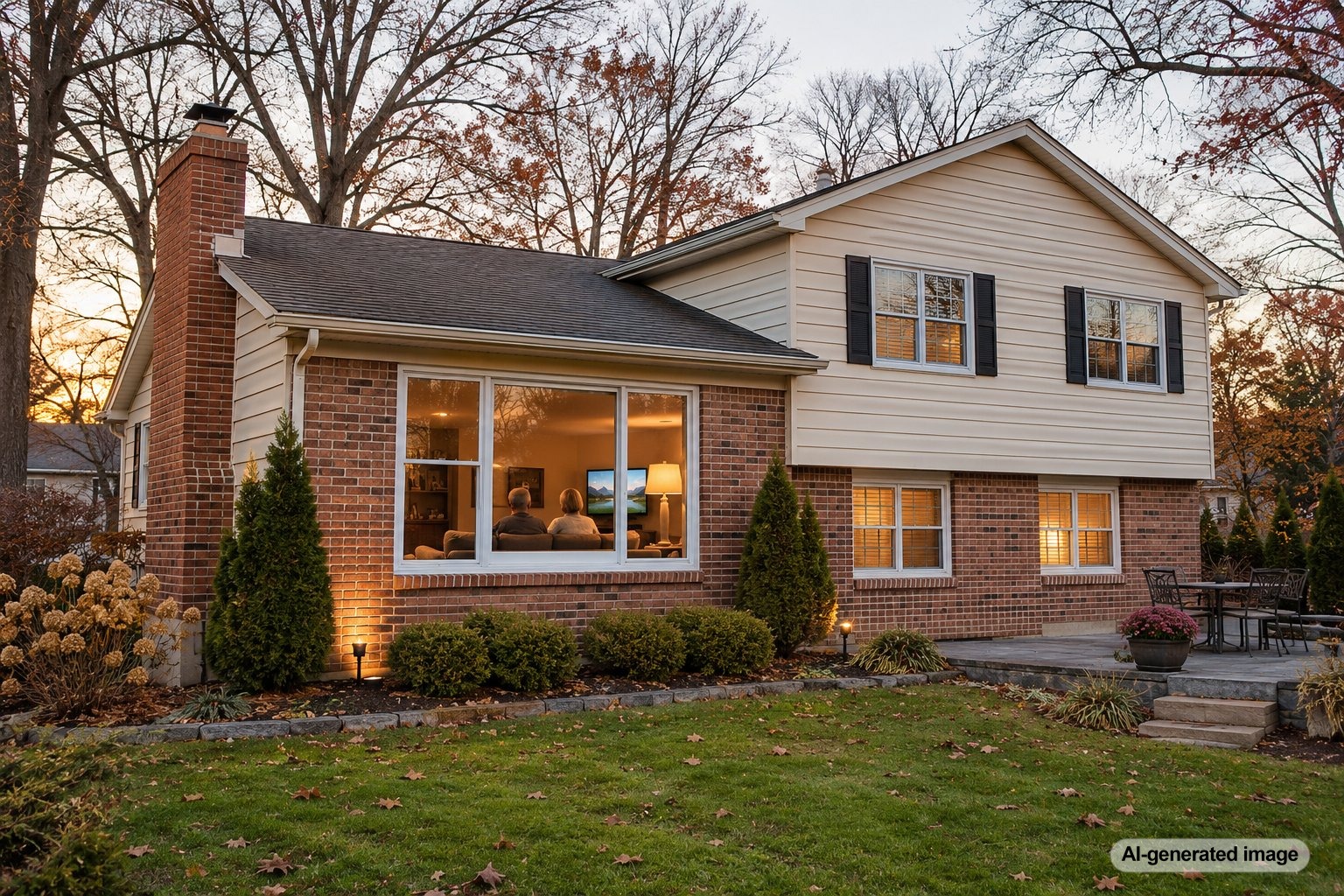
Your furnace starts its heating cycle, you hear the familiar ignition sound, and the burners light. Then, almost immediately, the flames disappear. A few moments later, the furnace may try again, or the system may stop heating altogether. When a furnace ignites but the burner shuts off quickly, it often means a safety control is interrupting the heating cycle because the equipment cannot confirm that conditions are safe for continued operation. The cause might be relatively straightforward, such as a dirty flame sensor, or it could involve airflow, combustion, venting, or another component that needs professional attention.
For homeowners in Central and Northern New Jersey, this problem can become particularly frustrating during a cold night. Understanding the timing of the shutdown, the sounds you hear, and what happens afterward can help you describe the issue accurately when arranging professional heating service and maintenance.
If your furnace lights but the burners shut off within seconds, the flame sensor or another combustion safety control may be preventing continued operation. If the burners run for several minutes before shutting down, restricted airflow or an overheating condition becomes another possibility. The exact timing is useful information, but a qualified HVAC technician must test the equipment to identify the cause.
Why Would a Furnace Light and Then Immediately Shut Off?
A modern gas furnace uses a controlled ignition sequence. When the thermostat requests heat, the furnace verifies certain operating conditions, activates its ignition components, and opens the gas valve to establish a burner flame. Once ignition occurs, a flame-sensing system must confirm that combustion is actually taking place.
If the control board does not receive the expected confirmation, it typically shuts the gas valve to prevent unburned gas from continuing to enter the combustion area. Other safety controls monitor conditions such as excessive temperature and problems associated with the furnace’s venting or combustion air system.
The important distinction is that the burner shutting down is often the furnace responding to a problem, not necessarily the original problem itself. Repeatedly restarting the equipment does not correct whatever caused the shutdown.
Common Reasons Furnace Burners Shut Off Too Soon
1. A Dirty or Failing Flame Sensor
One of the more common explanations for a burner that lights normally and then goes out within a few seconds is a flame-sensing problem. The flame sensor is designed to confirm that the burners have established a flame after the gas valve opens.
Over time, deposits can accumulate on the sensing surface. A sensor may also develop an electrical or connection problem. When the furnace control cannot reliably detect the flame, it shuts off the gas supply even if the burners initially lit correctly.
A technician can inspect the sensor, evaluate its electrical signal, and determine whether cleaning, repairing a connection, or replacing a component is appropriate. Homeowners should not bypass or modify the flame-sensing system.
2. Restricted Airflow and Furnace Overheating
Another possibility is insufficient airflow through the heating system. A severely clogged filter, blocked return, restricted ductwork, or malfunctioning blower can prevent enough air from moving across the furnace’s heat exchanger.
As internal temperatures rise, the high-temperature limit switch may interrupt burner operation to protect the equipment. In this situation, the burners often operate longer than just a few seconds before shutting down, although the exact behavior depends on the furnace and the severity of the problem.
A useful clue is whether the indoor blower continues running after the flames go out. Some furnaces keep circulating air to remove excess heat. The system may attempt another heating cycle after cooling, creating a repeated pattern of starting and stopping.
3. Problems With Combustion Air or Exhaust Venting
Gas furnaces require suitable combustion conditions and proper exhaust venting. Depending on the equipment design, a pressure switch and related controls help verify that required venting conditions are present.
Blocked intake or exhaust piping, condensate drainage problems on certain high-efficiency furnaces, or a malfunctioning inducer assembly can interfere with normal operation. Some of these faults prevent ignition entirely, while others may interrupt an operating sequence.
These systems are especially important because combustion and venting problems can create serious safety concerns. Do not disconnect vent piping, bypass a pressure switch, or attempt to force the furnace to operate.
4. Gas Supply or Gas Valve Problems
Unstable gas pressure, a malfunctioning gas valve, or another fuel delivery problem can sometimes cause burners to light inconsistently or fail to remain operating.
These issues require specialized diagnostic equipment and a qualified professional. A furnace that lights briefly does not prove that its gas supply or combustion conditions are correct.
5. Ignition Controls, Wiring, or Control Board Faults
Modern furnaces coordinate ignition, flame detection, blower operation, and safety monitoring through electronic controls. A loose connection, damaged wire, faulty control component, or intermittent electrical problem can interrupt the heating sequence.
Some faults occur consistently. Others appear only after the furnace has warmed up or operated for several cycles. Testing the system during the failure can be important for an accurate diagnosis.
The Timing of the Shutdown Provides an Important Clue
Two furnaces may appear to have the same problem while actually experiencing very different failures. Pay attention to how long the burners remain lit and what happens immediately afterward.
- Flames disappear after two or three seconds: A flame-sensing issue is a common possibility, particularly if the burners light normally before shutting off.
- Burners operate for several minutes and then stop: An overheating condition or airflow restriction may deserve closer attention, especially if the blower continues running.
- Burners shut off and the furnace repeatedly retries: The control system may be attempting to complete an ignition sequence before entering a temporary lockout.
- The burners never establish a stable flame: Ignition, fuel delivery, or combustion-related problems may be involved.
- The furnace works sometimes but fails during other heating cycles: An intermittent sensor, control, connection, or operating-condition problem may be responsible.
These patterns are diagnostic clues, not definitive tests. Some furnaces use different ignition procedures and safety sequences, so identical symptoms do not always indicate identical repairs.
Why the Furnace May Keep Trying to Restart
Many gas furnaces are programmed to attempt ignition more than once when a heating cycle fails. After unsuccessful attempts, the control board may temporarily prevent additional ignition attempts. This condition is often called ignition lockout.
The furnace may display a diagnostic light or fault code, depending on the model. If a code is visible through the furnace’s normal viewing window or exterior display, record it along with the equipment model before contacting a technician.
A diagnostic code can narrow the investigation, but it does not necessarily identify the exact failed component. A flame-related code, for example, may result from a sensor problem, wiring issue, or another condition affecting flame detection.
Avoid repeatedly resetting the system to keep it running. Frequent lockouts indicate that the underlying issue remains unresolved.
What Can Homeowners Safely Check Before Calling?
You do not need to open the furnace cabinet or work around combustion components to gather useful information. A few basic observations can help rule out obvious operating issues.
- Confirm the thermostat is set to heat and the requested temperature is above the current room temperature.
- Inspect the accessible air filter and replace it if dirty, using the correct size and recommended type.
- Make sure supply registers and return-air grilles are open and not obstructed by furniture or other objects.
- Listen for whether the indoor blower continues running after the burners stop.
- Note approximately how many seconds or minutes the burners remain on, without opening equipment panels or exposing yourself to combustion components.
- Record any fault code shown on an externally accessible furnace display or visible indicator.
If changing a dirty filter or clearing an obstructed return resolves an apparent airflow problem, continue monitoring normal operation. If the burners still shut off unexpectedly, arrange professional evaluation instead of attempting internal repairs.
When Does This Furnace Problem Become an Emergency?
A furnace that fails to provide adequate heat needs attention, particularly during freezing weather. Certain warning signs call for a more immediate response.
If you smell natural gas, leave the building immediately. Do not operate switches, electrical equipment, or anything that could create a spark. Once you are outside and away from the building, contact your gas utility’s emergency service or 911 as appropriate.
If a carbon monoxide alarm activates, occupants develop symptoms consistent with carbon monoxide exposure, or you suspect unsafe combustion, leave the building and contact emergency services. Do not return until the property has been evaluated and declared safe.
Smoke, visible sparks, or an electrical burning smell also require prompt attention. Do not continue operating equipment that may be unsafe.
When the problem is limited to failed heating without these immediate danger signs, scheduling qualified furnace service is generally the appropriate next step. In very cold weather, take reasonable steps to protect occupants and avoid frozen plumbing while the heating problem is addressed.
What Will an HVAC Technician Check?
A qualified technician approaches this problem by checking the actual operating sequence rather than assuming that one component must be responsible.
Depending on the symptoms and furnace design, the evaluation may include flame-sensing performance, ignition controls, gas pressure, electrical connections, airflow, temperature rise, blower operation, venting, condensate drainage, and safety-switch operation.
The technician may also review stored fault codes and observe multiple heating cycles. This is particularly valuable when the furnace operates normally for a short time before failing again.
For homeowners in Central and Northern New Jersey, arranging service before an extended period of freezing temperatures can help reduce the inconvenience of an unreliable heating system. Routine heating maintenance through a service plan may also help identify certain developing issues, although no maintenance program can eliminate every potential breakdown.
Frequently Asked Questions
Is a dirty flame sensor always the reason a furnace shuts off after ignition?
No. A dirty flame sensor is a common possibility when burners ignite and then shut off within seconds, but ignition controls, electrical connections, combustion conditions, and other components can cause similar symptoms. Testing is necessary to confirm the problem.
Can a clogged furnace filter cause the burners to shut off?
Yes. A severely restricted filter can reduce airflow and contribute to overheating. If the high-temperature limit switch opens, the furnace may shut down its burners while continuing to run the blower. This often occurs after the furnace has operated for a period of time rather than immediately after ignition.
Why does my furnace blower keep running after the flame goes out?
The blower may be completing a normal heating-cycle delay or responding to an elevated-temperature condition. If the burners are repeatedly shutting off early and the blower continues operating for an unusually long time, a technician should investigate.
Will turning the thermostat off and back on fix the problem?
Changing the thermostat setting may initiate another heating call, but it does not repair a malfunctioning flame sensor, airflow restriction, or combustion safety problem. Repeatedly attempting to restart a furnace that will not stay lit is not a substitute for professional diagnosis.
Does a furnace that keeps shutting off need to be replaced?
Not necessarily. Many causes of premature burner shutdown can be repaired. Replacement becomes a consideration when the furnace has significant age-related deterioration, serious safety concerns, an uneconomical repair, or repeated reliability issues. A qualified technician can explain the condition of the equipment and the available options.
The Bottom Line: A Brief Flame Is a Warning Worth Investigating
When a furnace ignites but its burners shut off quickly, the equipment may be responding to a failed flame confirmation, overheating condition, or another safety-related fault. The length of time the flames stay lit, whether the blower continues running, and whether the furnace retries ignition can help identify what deserves attention. Basic thermostat, filter, and vent checks are reasonable for homeowners, but gas, ignition, and safety-control diagnosis belongs with a qualified HVAC technician.
A furnace that repeatedly fails to complete its heating cycle should not be ignored. Addressing the underlying cause is more useful than repeatedly resetting the equipment, especially when dependable heat matters during a New Jersey winter.
Need help with your heating, cooling, or HVAC system?
Meyer & Depew serves homeowners and businesses throughout Central and Northern New Jersey.
Get a quote or call 908.272.2100.