

Why Replacing an AC Before It Fails Can Be Less Stressful
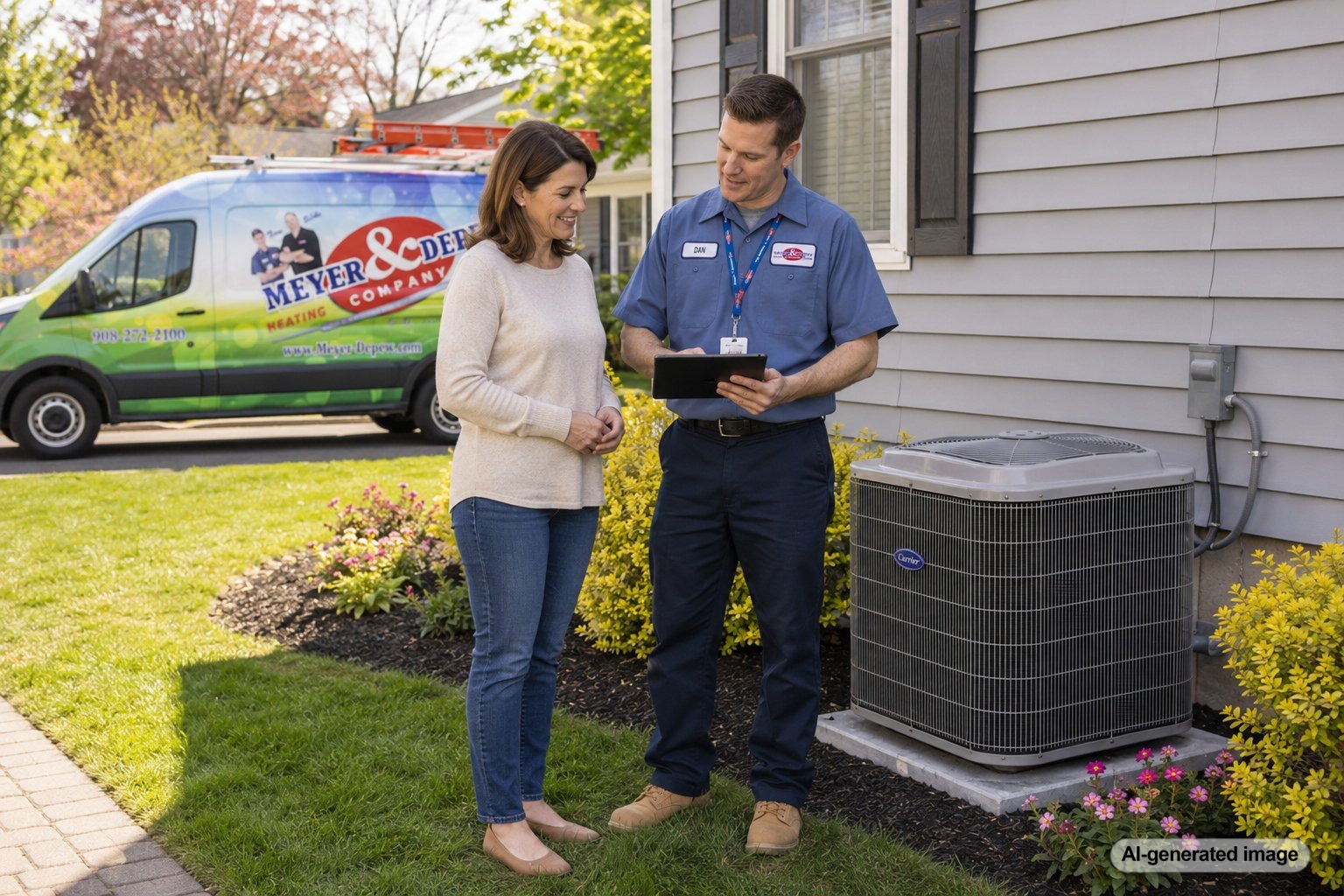
Replacing an AC before it completely fails can feel like a big decision, but for many New Jersey homeowners, it is often less stressful than waiting for a breakdown during a hot, humid week. Instead of making a rushed choice when the house is uncomfortable, you have time to compare options, plan around your schedule, and choose a system that fits your home more thoughtfully.
An older air conditioner rarely chooses a convenient time to stop working. It may struggle through spring, limp into summer, and then fail when service calls are already in high demand. If your system is aging, needing more frequent repairs, or no longer cooling evenly, it may be worth reviewing AC installation and replacement options before an emergency forces the decision.
Replacing an AC before it fails can reduce stress because you can avoid emergency timing, compare system options carefully, plan the installation around your life, and address comfort problems before they become urgent. It does not mean every older system must be replaced immediately, but it does mean homeowners should pay attention to performance, repair history, and overall reliability.
Why waiting for total AC failure can make the decision harder
When an AC system fails in the middle of summer, the replacement decision often becomes rushed. The priority shifts from making the best long-term choice to getting cool air back as quickly as possible. That pressure can make it harder to think clearly about system size, efficiency, comfort features, indoor air quality, thermostat compatibility, and whether the existing ductwork is helping or hurting performance.
In Central and Northern New Jersey, summer humidity adds another layer of discomfort. A failing AC may still run, but it may not remove humidity well, may short cycle, or may leave certain rooms warm and sticky. By the time the system stops completely, the home may already have been uncomfortable for weeks.
Planning ahead gives you more control
A planned replacement gives you breathing room. You can schedule an evaluation before the hottest stretch of the season, ask questions, and understand whether replacement actually makes sense. A qualified technician can look at the system’s age, repair history, refrigerant type, airflow, electrical condition, duct performance, thermostat setup, and how well the equipment is matching the needs of the home.
That evaluation matters because not every comfort problem points to immediate replacement. Sometimes a dirty filter, blocked return, duct issue, thermostat problem, or neglected maintenance can affect performance. Other times, repeated repairs and declining comfort suggest that a replacement conversation is reasonable. The difference is easier to sort out when you are not dealing with a no-cooling emergency.
Signs it may be time to think about replacement before failure
No single symptom proves that an AC needs to be replaced, but several patterns can make replacement worth discussing. Homeowners should pay particular attention when an older system shows more than one of these issues at the same time:
- Cooling is uneven, with some rooms comfortable and others consistently warm.
- The system runs for long periods but still struggles to satisfy the thermostat.
- Repairs are becoming more frequent or more expensive.
- The AC is making new noises, cycling strangely, or shutting down unexpectedly.
- Humidity feels high indoors even when the system is running.
- Energy use seems to be rising without a clear change in household habits.
- The system uses older components or has parts that are becoming harder to source.
These signs do not automatically mean replacement is the only answer. They do mean it is smart to have the system evaluated before a small window of time turns into an urgent decision.
Better timing can make installation less disruptive
Replacing an AC during a complete breakdown can be disruptive because the schedule is driven by the failure. Homeowners may need to rearrange work, handle uncomfortable indoor temperatures, or make quick decisions with limited flexibility. Planned replacement gives you more room to choose a practical installation date and prepare the home.
For families, that may mean avoiding a week with guests, remote work demands, or a major event at home. For households with older adults, young children, or anyone sensitive to heat and humidity, replacing before failure can help avoid uncomfortable conditions that may be harder to manage during a summer emergency.
Planned replacement can improve the quality of the decision
An AC replacement is not just a swap of outdoor equipment. The right approach considers how the entire cooling system works. That can include equipment sizing, ductwork, airflow, humidity control, thermostat strategy, and whether certain rooms need better zoning or supplemental comfort solutions.
When you have time, you can ask better questions. Is the current system properly sized? Are certain rooms uncomfortable because of duct layout or sun exposure? Would a new thermostat improve control? Would a ductless mini split make sense for an addition, finished attic, or converted space? Would indoor air quality upgrades be worth considering at the same time? These conversations are easier before the old AC stops working completely.
If your current system is still operating but showing signs of age, a maintenance visit can also help clarify next steps. Meyer & Depew offers AC service and maintenance for homeowners who want a professional look at system condition before deciding whether to repair, maintain, or replace.
What homeowners can safely check first
- Confirm the thermostat is set to cooling and the temperature setting is appropriate.
- Inspect or replace the air filter if it is dirty or clogged.
- Make sure supply and return vents are open and not blocked by furniture, rugs, or curtains.
- Look for obvious leaves, grass clippings, or debris around the outdoor unit.
- Check whether the breaker has tripped once, if it is safe to do so. If it trips again, stop and call a professional.
These checks may solve simple airflow or control problems, but they should not turn into do-it-yourself AC repair. Homeowners should not open sealed equipment, handle refrigerant, bypass safety switches, or work on electrical components. If the system keeps struggling, shuts down again, leaks, smells like something is burning, or makes unusual noises, professional service is the safer next step.
Repair or replace: the practical questions to ask
The repair-versus-replacement decision usually comes down to reliability, comfort, age, repair cost, and how long you plan to stay in the home. A newer system with a straightforward issue may be a good repair candidate. An older system with repeated problems, poor humidity control, and uneven cooling may point toward replacement.
It also helps to consider the timing of the repair. Spending money on a major repair right before a system is likely to need replacement can be frustrating. On the other hand, a modest repair that safely gets a newer system back to normal may be reasonable. The best answer depends on the specific equipment and the condition of the home, not a one-size-fits-all rule.
Why this matters in New Jersey homes
Many homes in Central and Northern New Jersey have comfort challenges that become more obvious as an AC ages. Older homes may have ductwork that was added after the house was built. Additions, finished basements, sunrooms, and attic spaces can all place extra strain on a cooling system. Humid summers can make a marginal system feel even worse because comfort depends on both temperature and moisture removal.
Replacing before failure gives homeowners a chance to look at those issues carefully. Instead of asking only, “How fast can we get a new AC installed?” you can ask, “What would make this home more comfortable and reliable for the next stage of ownership?” That is a much better conversation to have before the system is completely down.
When to call a professional
Call a qualified HVAC professional if your AC is blowing warm air, freezing up, short cycling, making unusual sounds, leaking, repeatedly tripping a breaker, or failing to keep the home comfortable. You should also schedule an evaluation if the system is older and you are unsure whether another repair is worth it.
Meyer & Depew can help homeowners throughout Central and Northern New Jersey review cooling concerns, compare practical replacement options, and decide whether repair, maintenance, or replacement is the better next step. If you want to start with a service visit, you can request a service appointment before the issue becomes urgent.
Frequently asked questions
Should I replace my AC if it still works?
Not always. If the system is cooling well, repair costs are low, and comfort is consistent, replacement may not be necessary yet. If it is older, unreliable, inefficient, or no longer keeping the home comfortable, it may be smart to review replacement options before it fails.
Is it better to replace an AC in spring or early summer?
Many homeowners prefer to plan replacement before the hottest weather arrives because scheduling may be less stressful and comfort problems are easier to address before peak cooling demand. The best timing depends on the system’s condition and your household needs.
Can maintenance help delay AC replacement?
Routine maintenance may help reduce the risk of preventable problems and can give you better information about system condition. It cannot guarantee that an older AC will keep running, but it can help identify issues before they become more disruptive.
What if I am not sure whether I need repair or replacement?
A professional evaluation can help you compare the condition of the system, the likely repair path, and whether replacement would be more practical. You do not have to decide without understanding the options.
Replacing an AC before it fails can be less stressful because the decision happens on your schedule instead of during a hot-weather emergency. It gives you time to ask questions, compare options, and make a more confident comfort decision for your home.
Thinking about replacing or upgrading your HVAC system?
Meyer & Depew can help you understand your options for comfort, efficiency, and long-term reliability in your New Jersey home or business.
Questions? Contact Meyer & Depew or call 908.272.2100.