

What Causes an AC Compressor to Overheat?
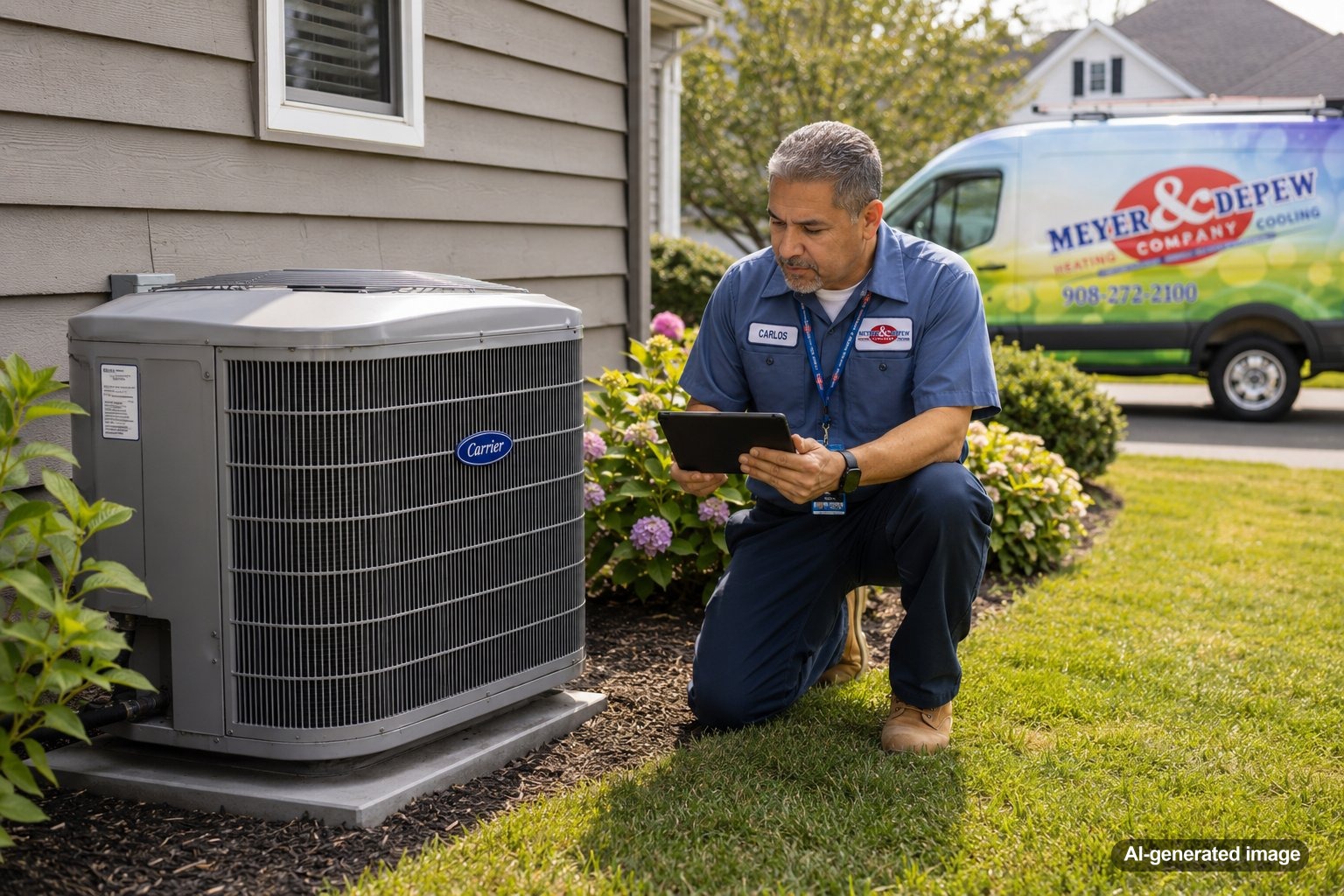
An AC compressor can overheat when the system is forced to work harder than it should, when heat cannot move out of the outdoor unit properly, or when an internal electrical or refrigerant-related problem develops. For homeowners and businesses in Central and Northern New Jersey, this often shows up during long stretches of hot, humid weather, especially if the air conditioner has not had recent maintenance.
The compressor is one of the most important parts of a central air conditioning system. It helps move refrigerant through the system so heat can be removed from the home or building. When it overheats, the AC may shut down, cool poorly, trip a breaker, make unusual noises, or struggle to restart. If the issue keeps happening, it is smart to schedule professional AC service and maintenance before the problem becomes more serious.
An AC compressor may overheat because of poor airflow, dirty outdoor coils, low refrigerant, electrical problems, short cycling, an aging compressor, or heavy demand during extreme heat. Some basic checks are safe for homeowners, but compressor, refrigerant, and electrical issues should be evaluated by a qualified HVAC technician.
Why an AC Compressor Overheats
An air conditioner is designed to move heat from inside your home or building to the outdoors. The compressor plays a central role in that process by pressurizing refrigerant and keeping it moving through the cooling cycle. When something interferes with airflow, refrigerant movement, heat transfer, or electrical operation, the compressor may run hotter than normal.
Overheating is not a single diagnosis. It is a symptom that can point to several different problems. A clogged filter and a failing electrical component can both contribute to high compressor temperatures, but the repair path is very different. That is why guessing is risky, especially when the issue involves high voltage, refrigerant, or sealed AC components.
Common Causes of an Overheated AC Compressor
Restricted airflow inside the home or building
Poor airflow is one of the most common reasons an AC system has to work harder than it should. A clogged air filter, blocked return grille, closed supply vents, undersized ductwork, or heavy dust buildup can reduce the amount of air moving across the indoor coil. When airflow drops, the entire cooling process becomes less efficient, and the compressor may run longer under added strain.
Dirty outdoor condenser coils
The outdoor unit needs to release heat. If the condenser coil is coated with dirt, grass clippings, pollen, cottonwood, leaves, or other debris, heat may not leave the system efficiently. In New Jersey, spring pollen, summer lawn debris, and storm-blown leaves can all contribute to this problem. The compressor may then stay hot because the system cannot reject heat properly.
Low refrigerant or refrigerant flow problems
Low refrigerant can make an AC system operate outside its normal design range. Refrigerant does not get used up like fuel, so low refrigerant often points to a leak or another system problem. Homeowners should not add refrigerant themselves. A qualified technician can check system pressures, look for signs of a leak, and evaluate whether the system can be repaired safely and effectively.
Electrical problems
A weak capacitor, loose connection, failing contactor, voltage problem, or motor issue can cause the compressor to start poorly, pull excessive current, or shut down on overload. Electrical issues can also trip breakers or create intermittent cooling problems. Because these parts involve high voltage, they should be inspected and repaired by a trained professional.
Short cycling
Short cycling happens when the AC turns on and off too frequently. This may be caused by thermostat issues, airflow problems, oversized equipment, refrigerant concerns, or control problems. Compressors are under extra stress during startup, so repeated starts can increase heat and wear.
Aging equipment or internal compressor wear
As an air conditioner gets older, internal parts can weaken. A compressor that has worked through many New Jersey summers may be more sensitive to heat, electrical stress, dirty coils, or airflow restrictions. In some cases, overheating is part of a larger repair versus replacement decision, especially when the system is older, uses outdated components, or has had repeated major repairs.
Signs Your AC Compressor May Be Overheating
An overheated compressor does not always announce itself clearly. The AC may shut off suddenly, cool for a while and then stop, or run without lowering the indoor temperature much. You may notice warm air from the vents, a humming sound from the outdoor unit, breaker trips, or the outdoor fan running while the system is not cooling properly.
In some cases, the system may restart after cooling down. That does not mean the problem is gone. It may mean a safety limit or overload device is protecting the compressor from damage. Repeated overheating can shorten equipment life and may lead to a more expensive repair if ignored.
- Check that the thermostat is set to cooling and the temperature setting is reasonable.
- Inspect or replace a dirty air filter.
- Make sure supply vents and return grilles are open and not blocked by furniture, rugs, or storage.
- Look for obvious leaves, weeds, or debris around the outdoor unit without opening the equipment.
- If it is safe, check whether the breaker has tripped once. If it trips again, stop resetting it and call for service.
Why Hot, Humid New Jersey Weather Can Make the Problem Worse
During a heat wave, an AC system may run for longer cycles because it is trying to remove both heat and humidity. Older homes, sun-exposed rooms, poor insulation, leaky ductwork, and high indoor humidity can all add load to the system. Commercial buildings may see added strain from occupancy, equipment heat, open doors, and extended operating hours.
Longer run times are not automatically a problem. On very hot days, a properly operating AC may run more than usual. The concern is when the system runs constantly but cannot cool, shuts down repeatedly, trips breakers, or produces unusual noises. Those signs suggest the compressor may be under stress or another part of the system is not doing its job.
When to Call a Professional
Call a qualified HVAC technician if the outdoor unit is very hot, the system keeps shutting off, the breaker trips more than once, cooling is weak, or the compressor area makes loud humming, buzzing, grinding, or clicking sounds. You should also schedule service if you suspect low refrigerant, because refrigerant problems require proper tools, training, and leak evaluation.
Meyer & Depew works with homeowners and businesses throughout Central and Northern New Jersey on cooling system maintenance, troubleshooting, and repair. If your system has had repeated compressor-related issues, it may also be worth discussing whether continued repair or eventual AC installation and replacement makes more sense for comfort, reliability, and long-term planning.
FAQ About AC Compressor Overheating
Can I keep running my AC if the compressor overheats?
It is better not to keep forcing the system to run if it is shutting down, tripping a breaker, making unusual noises, or blowing warm air. Continuing to run the system may increase the chance of damage. Turn the system off and schedule service if the problem continues.
Can a dirty air filter really make a compressor overheat?
Yes, a dirty filter can reduce airflow and make the system work harder. It may not be the only cause, but it is one of the safest and most important things for a homeowner to check.
Does an overheated compressor always need to be replaced?
No. The cause could be something repairable, such as a dirty coil, weak capacitor, airflow restriction, or control issue. However, if the compressor itself is failing or the system is older, a technician can help you weigh repair and replacement options.
How can maintenance help reduce compressor problems?
Routine maintenance may help reduce the risk of overheating by improving airflow, cleaning key components, checking electrical parts, and identifying performance issues before peak cooling season. It cannot prevent every breakdown, but it can make problems easier to catch early. Homeowners who want routine care built into their schedule can review Meyer & Depew’s Service Plans.
Need help with your heating, cooling, or HVAC system?
Meyer & Depew serves homeowners and businesses throughout Central and Northern New Jersey.
Get a quote or call 908.272.2100.