

Why Insulation Levels Matter Before Replacing AC
Estimated reading time: 7 minutes
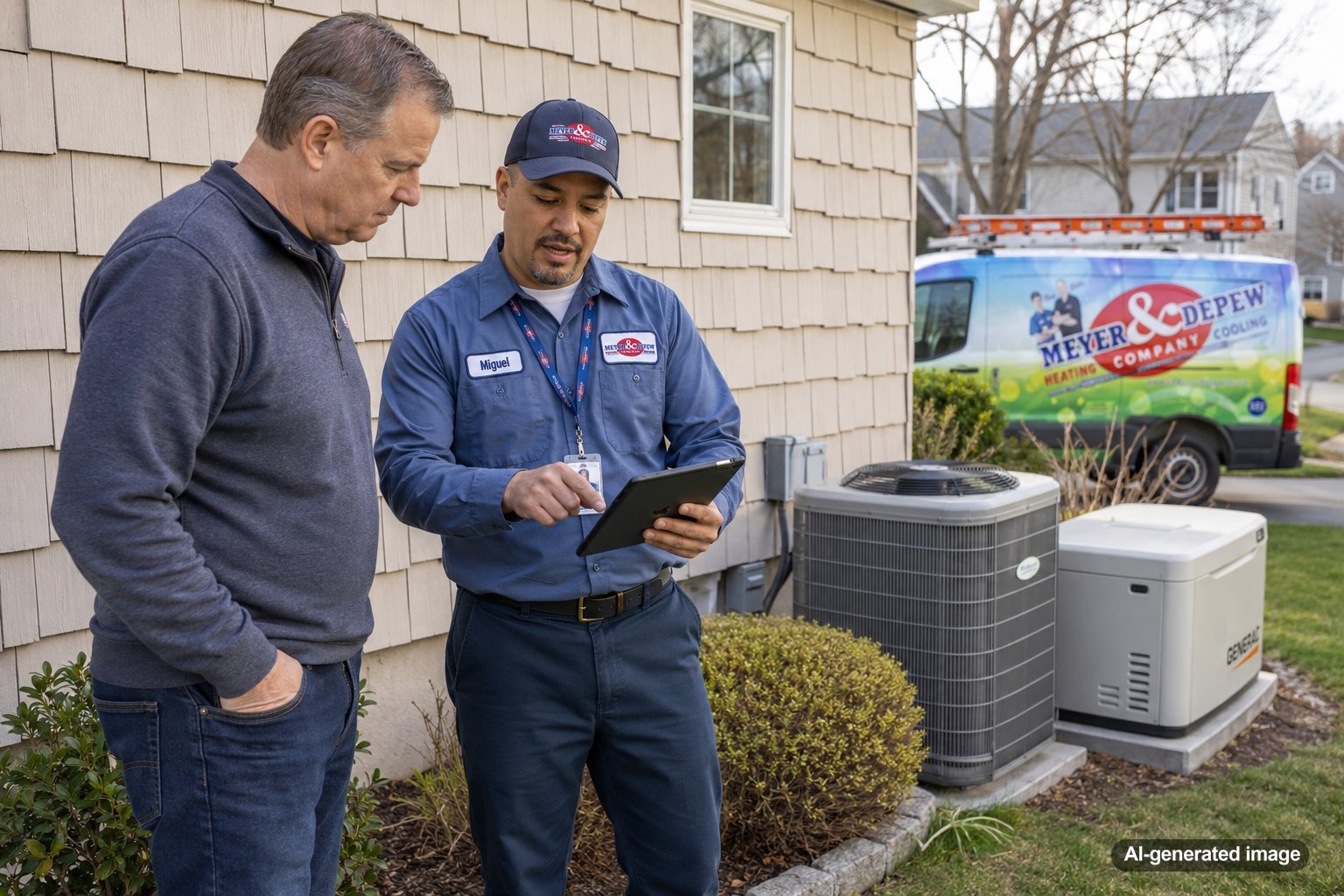
Before replacing an aging AC system, it helps to look beyond the outdoor unit, the thermostat, and the equipment brand. Insulation levels can have a major effect on how hard your cooling system works, how evenly your home cools, and what size system actually makes sense. In many Central and Northern New Jersey homes, especially older houses, the comfort problem is not always the AC alone.
A new air conditioner can be a smart investment, but it should be selected for the home it is cooling. If the attic, walls, crawl space, or duct areas are allowing too much heat to enter, even a newer system may struggle. That is why insulation should be part of the conversation when planning AC installation and replacement.
Insulation levels matter before replacing AC because they affect cooling load, equipment sizing, indoor comfort, humidity control, and long-term system performance. Poor insulation can make a home feel hot even when the AC is working, while better insulation may help the new system operate more consistently.
Insulation Changes How Much Cooling Your Home Needs
Your AC does not create comfort in isolation. It removes heat from inside the home and helps manage humidity. Insulation helps slow the movement of heat into the living space. When insulation is thin, damaged, uneven, or missing in key areas, heat can move into the home faster than the cooling system can comfortably remove it.
This matters most during New Jersey heat waves, humid summer afternoons, and long stretches of direct sun. A home with weak attic insulation may gain heat from above all day. Rooms beneath that attic can feel warmer than the thermostat reading suggests, causing the AC to run longer and still leave parts of the house uncomfortable.
Why AC Sizing Depends On More Than Square Footage
One common mistake is assuming that AC replacement is based only on the size of the house. Square footage matters, but it is only one piece of the load calculation. A qualified HVAC professional may also consider insulation levels, window exposure, ceiling height, air leakage, duct condition, room layout, and the way the home is used.
If insulation is poor, the home may appear to need a larger system. But oversizing the AC can create its own problems. An oversized unit may cool the air quickly without running long enough to remove enough humidity, leaving the home cool but clammy. It may also cycle on and off frequently, which can affect comfort and equipment wear.
On the other hand, if insulation improvements are planned, the cooling load may change. Looking at insulation before selecting equipment helps reduce the chance of installing a system that is not well matched to the home after upgrades are complete.
Poor Insulation Can Make A New AC Seem Disappointing
A new AC system can improve reliability and efficiency, but it cannot fully overcome every weakness in the building. If the upstairs bedrooms are hot because attic heat is radiating into the living space, a new unit may help but still leave uneven temperatures. If ductwork runs through a hot attic or poorly insulated area, cooled air may pick up heat before it reaches the rooms.
Homeowners sometimes replace equipment expecting the new system to solve every comfort issue. When insulation, air sealing, airflow, or duct design are part of the problem, the results may feel less dramatic than expected. Reviewing the home as a complete comfort system can lead to better decisions and fewer surprises.
Signs Insulation Should Be Reviewed Before AC Replacement
You do not need to diagnose insulation problems yourself, but certain comfort patterns can point to a need for a closer look. These signs do not prove that insulation is the only issue, but they are worth discussing before choosing a new cooling system.
- Second-floor rooms are much warmer than the first floor.
- The AC runs for long periods on hot afternoons but some rooms still feel uncomfortable.
- Cooling improves after sunset, then struggles again the next day.
- Rooms near the attic, garage, crawl space, or exterior walls are harder to cool.
- Energy use seems high even with regular AC maintenance.
- The home has older or uneven insulation in the attic or other accessible areas.
Insulation, Humidity, And Comfort Are Connected
In New Jersey, summer comfort is not just about temperature. Humidity can make a home feel warmer and heavier even when the thermostat is set reasonably. If heat is constantly entering the home through under-insulated areas, the AC may run often, but not always in a way that creates balanced comfort throughout the house.
Properly matched equipment, good airflow, and appropriate insulation can work together to support steadier cooling. In some homes, indoor comfort may also be affected by ventilation, zoning, or thermostat strategy. Meyer & Depew can help homeowners think through these related comfort factors, including air quality and comfort options when they are relevant.
- Look at whether rooms with comfort issues are directly below an attic or beside an unconditioned space.
- Make sure supply and return vents are open and not blocked by furniture, rugs, or curtains.
- Replace or inspect the air filter if airflow seems weak.
- Check thermostat settings and make sure the system is set to cooling mode.
- Do not open sealed HVAC equipment, handle refrigerant, modify wiring, or bypass safety controls.
When Insulation Improvements Should Happen
The best timing depends on the condition of the home and the urgency of the AC replacement. If your current system has failed or is near the end of its service life, replacement may need to move quickly. Even then, insulation should still be discussed so the new system is selected with the most accurate information available.
If you are planning ahead, it may be helpful to evaluate insulation before finalizing AC size and system design. This is especially true if you already know the attic insulation is low, you are remodeling, you are finishing a bonus room, or you are trying to solve long-standing hot spots.
What A Professional Can Evaluate
A qualified HVAC contractor can look at the cooling system, ductwork, airflow, thermostat setup, and comfort complaints together. While an insulation contractor may be needed for insulation upgrades themselves, the HVAC evaluation can help connect the dots between building conditions and equipment performance.
During the replacement planning process, the right questions may include whether the current AC was properly sized, whether the duct system can support the proposed equipment, whether humidity has been a recurring issue, and whether insulation or air leakage may be affecting the cooling load. That broader view can help homeowners avoid choosing a new system based on guesswork.
FAQ: Insulation Before AC Replacement
Should I replace insulation before replacing my AC?
Not always, but insulation should be reviewed before the new system is selected. If major insulation improvements are planned, they may affect the cooling load and equipment sizing.
Can poor insulation make my AC look like it is failing?
It can contribute to symptoms that feel like AC trouble, such as long run times, uneven rooms, and poor comfort during peak heat. The AC may still need service or replacement, but insulation may be part of the larger issue.
Will better insulation guarantee lower cooling bills?
No improvement can guarantee a specific savings amount. Better insulation may help reduce heat gain and support more consistent comfort, but results depend on the home, equipment, ductwork, usage, and weather.
Does insulation matter if I am buying a high-efficiency AC?
Yes. High-efficiency equipment still needs to be properly sized and installed for the home. If the house gains heat quickly because of weak insulation, the system may have to work harder than expected.
Who should I call first, an HVAC contractor or insulation contractor?
If you are replacing AC, start with an HVAC evaluation so comfort issues, equipment sizing, airflow, and duct conditions can be reviewed. You may also need an insulation specialist if upgrades are recommended.
Insulation levels can shape the success of an AC replacement. Looking at the home before choosing equipment can help you make a more informed decision about comfort, efficiency, sizing, and long-term performance.
Thinking about replacing or upgrading your HVAC system?
Meyer & Depew can help you understand your options for comfort, efficiency, and long-term reliability in your New Jersey home or business.
Questions? Contact Meyer & Depew or call 908.272.2100.