



How Window Exposure Affects AC Sizing
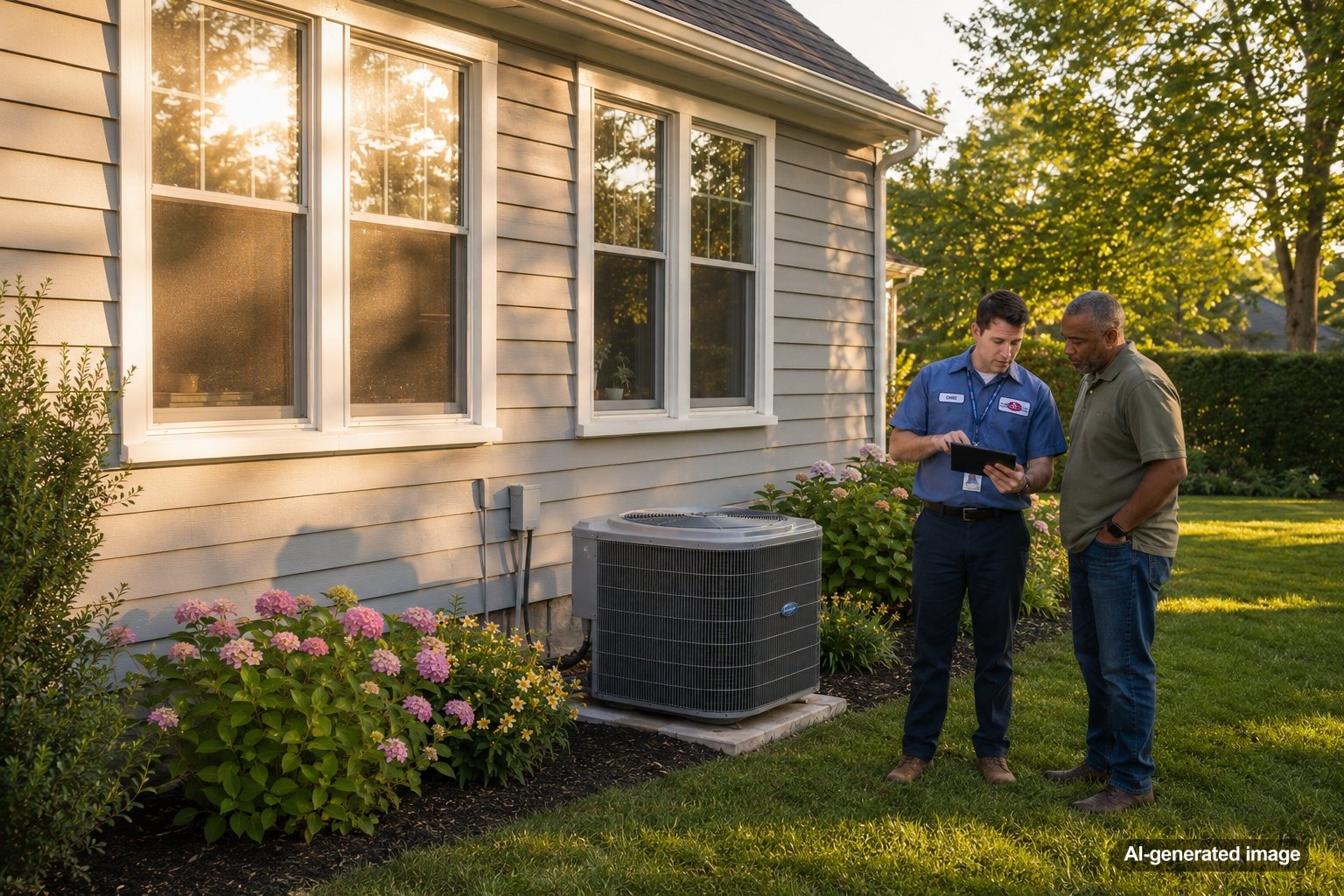
Window exposure can have a real effect on AC sizing because glass often adds more heat to a home than homeowners expect. Two homes with the same square footage can need different cooling solutions if one has large west-facing windows, limited shade, older glass, or rooms that bake in afternoon sun. In Central and Northern New Jersey, where humid summer days can make indoor comfort harder to manage, window direction, size, shading, and glass quality all matter when planning an AC replacement or evaluating uneven cooling.
That does not mean bigger is automatically better. A properly sized system should be based on the full cooling load of the home, not just square footage or a quick rule of thumb. If you are planning a new system, Meyer & Depew can help evaluate comfort needs through professional AC installation and replacement options that account for how your home actually gains heat.
Window exposure affects AC sizing because sun-facing glass can increase heat gain, especially in rooms with large windows, poor shading, or older single-pane or inefficient windows. East-facing windows often add morning heat, west-facing windows can create intense late-day heat, and south-facing windows may add steady solar gain depending on shade and season. A qualified HVAC contractor should consider these factors during a load calculation before recommending equipment size.
Why windows matter when sizing an AC system
AC sizing is about more than how much air a system can cool. It is about how much heat the home gains throughout the day and how quickly the cooling system must remove that heat to maintain comfort. Windows influence that load because sunlight can pass through glass and warm floors, furniture, walls, and the air in the room.
A room with modest square footage but a wall of exposed glass may place more demand on the cooling system than a larger shaded room. This is one reason a simple square-footage estimate can miss important comfort factors. A careful load calculation looks at window size, direction, glass type, insulation, ceiling height, air leakage, occupancy, and other details that affect cooling demand.
How window direction changes cooling demand
Different exposures affect a home in different ways. East-facing windows usually collect morning sun, which can warm bedrooms, kitchens, or breakfast areas early in the day. South-facing windows may bring in more consistent sun depending on roof overhangs, trees, window treatments, and the time of year. West-facing windows are often one of the biggest comfort challenges because they can add strong heat late in the afternoon, right when outdoor temperatures are high and the AC is already working hard.
North-facing windows generally add less direct solar heat, but they still matter if they are large, drafty, or poorly insulated. In older New Jersey homes, window performance can vary widely from room to room, especially after additions, renovations, or partial window upgrades.
Window size, glass type, and shade can change the answer
Exposure is only part of the picture. A small west-facing window with good exterior shade may have less impact than a large east-facing bay window with older glass. Window area, frame condition, glass efficiency, blinds, curtains, awnings, trees, neighboring structures, and roof overhangs can all affect how much heat enters the home.
- Large glass areas: Sunrooms, two-story foyers, family rooms, and open kitchens with big windows may add a noticeable cooling load.
- Older windows: Single-pane, leaky, or deteriorated windows can make rooms harder to cool and may allow more heat and humidity to enter.
- Limited shade: Rooms with direct sun and little tree cover can feel warmer even when the thermostat setting looks reasonable.
- Window treatments: Blinds, shades, and curtains can reduce solar gain, but they do not replace proper HVAC sizing.
Why oversizing is not the right fix
When sunny rooms feel hot, it is tempting to assume the home needs a much larger AC system. Oversizing can create its own problems. An oversized system may cool the thermostat area quickly but shut off before it has run long enough to manage humidity well. That can leave the home feeling cool but clammy, especially during New Jersey’s humid summer weather.
Oversizing can also increase short cycling, uneven temperatures, and wear on equipment. The better approach is to identify the full cooling load, understand which rooms are affected by solar gain, and choose a system strategy that balances capacity, airflow, humidity control, and comfort.
What homeowners can safely check before replacing an AC system
- Notice which rooms get the strongest sun and what time of day they become uncomfortable.
- Check whether blinds, shades, or curtains are being used during peak sun exposure.
- Make sure supply and return vents are open and not blocked by furniture, rugs, or curtains.
- Inspect or replace the air filter if it is dirty or overdue.
- Look for obvious debris around the outdoor unit, while keeping panels and electrical components closed.
These checks can help you describe the comfort problem more clearly, but they do not replace a professional evaluation. If one side of the home is consistently hotter, if the AC runs constantly without catching up, or if the system short cycles, a qualified technician can evaluate whether the issue is sizing, airflow, insulation, duct design, refrigerant charge, equipment condition, or a combination of factors.
AC sizing should include the whole home, not just the windows
Window exposure is important, but it is one part of a larger comfort picture. A contractor should also consider ductwork condition, attic insulation, ceiling height, air leakage, basement or attic duct runs, thermostat location, home layout, and the age of the existing equipment. In some homes, zoning, ductless mini splits, or airflow improvements may be part of the conversation if one area has very different sun exposure from the rest of the house.
For example, a finished attic, a west-facing primary bedroom, or a glass-heavy family room may not cool evenly with the rest of the home. In those cases, simply increasing the AC size may not solve the room-by-room comfort issue. Depending on the home, solutions may include improved duct balancing, a better-matched replacement system, zoning systems, or targeted cooling options.
When to call a professional
It is smart to schedule a professional evaluation if you are replacing an AC system, adding living space, changing windows, finishing an attic or basement, or dealing with persistent hot rooms. A proper assessment can help avoid choosing equipment that is too small to handle heat gain or too large to manage humidity and comfort well.
You should also call for service if your current AC has weak airflow, unusual noises, frequent cycling, warm air from vents, ice on refrigerant lines, or trouble keeping up on normal summer days. Homeowners can safely check filters, vents, thermostat settings, and obvious outdoor debris, but refrigerant, electrical, duct, and internal equipment issues should be handled by a qualified professional. Meyer & Depew offers AC service and maintenance for homeowners who need help diagnosing comfort concerns before making bigger decisions.
FAQ: Window exposure and AC sizing
Do west-facing windows really make a room hotter?
Yes, they often can. West-facing windows tend to receive strong afternoon sun, which can warm a room late in the day when outdoor temperatures are also high. The impact depends on window size, shade, glass type, insulation, and airflow.
Can new windows reduce the AC size I need?
More efficient windows may reduce heat gain, but they are only one factor in AC sizing. A qualified contractor should still perform a cooling load evaluation that considers the whole home before recommending equipment capacity.
Should I buy a bigger AC if sunny rooms are too warm?
Not automatically. A bigger AC may create humidity problems or short cycling if it is oversized for the home. Uneven sunny rooms may point to airflow issues, duct design, insulation, zoning needs, or room-specific heat gain.
Can curtains or blinds help with AC performance?
They can help reduce solar heat gain, especially during peak sun hours, but they should be viewed as a comfort aid rather than a substitute for correct AC sizing, proper airflow, and professional system design.
Window exposure can meaningfully affect AC sizing, especially in homes with large, sunny, or older windows. The right system choice should be based on a complete view of heat gain, humidity, airflow, and room-by-room comfort rather than square footage alone.
Thinking about replacing or upgrading your HVAC system?
Meyer & Depew can help you understand your options for comfort, efficiency, and long-term reliability in your New Jersey home or business.
Questions? Contact Meyer & Depew or call 908.272.2100.