

How Can Winter Roof Access Rules Affect Commercial HVAC Repair Times?
Estimated reading time: 8 minutes
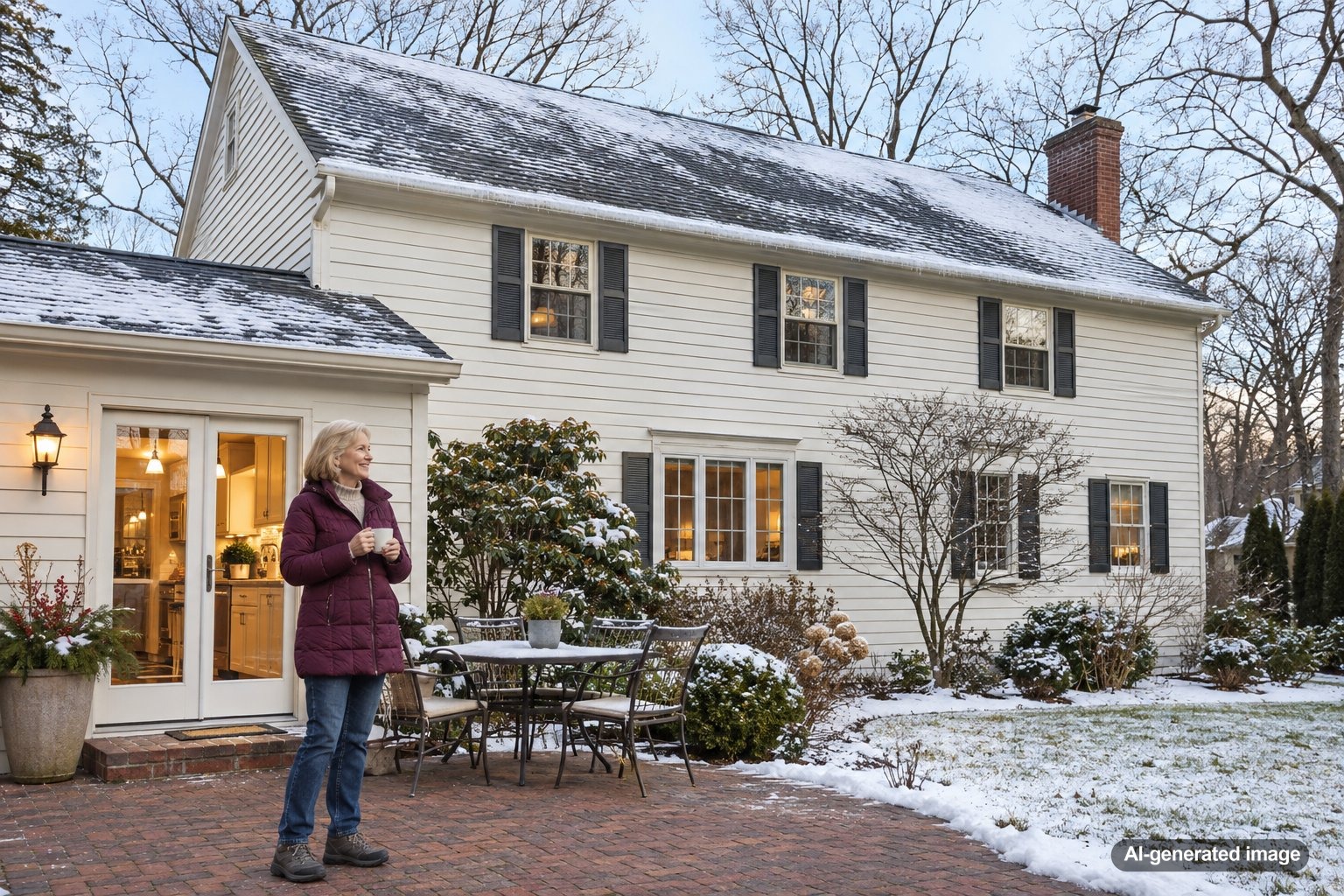
When a commercial heating system stops working during a New Jersey winter, getting a technician to the property may be only half the battle. Snow, ice, restricted roof access, and building safety policies can prevent immediate repairs even when the necessary technician and replacement parts are available. For businesses that depend on rooftop HVAC equipment, understanding these restrictions can make a meaningful difference in how they prepare for winter service interruptions.
Winter roof access rules can extend commercial HVAC repair times by limiting when technicians can safely reach equipment, transport tools, and perform necessary work. Property managers throughout Central and Northern New Jersey can reduce certain avoidable delays by coordinating access procedures, snow management responsibilities, and emergency contacts before cold weather arrives.
Winter roof access restrictions can delay HVAC repairs when icy surfaces, unsafe ladders, blocked hatches, high winds, or building authorization requirements prevent technicians from reaching rooftop equipment. Advance planning can reduce administrative and logistical delays, although unsafe weather conditions may still require service to be postponed.
Why Technician Arrival Does Not Always Mean Repairs Can Begin
Commercial HVAC service involves more than diagnosing equipment and replacing defective components. When equipment is located on a roof, technicians must also have a safe way to reach the unit, move around it, and transport the materials required for the repair.
Businesses that rely on commercial HVAC services should recognize the distinction between service response time and repair completion time. A technician may arrive promptly but encounter conditions that prevent the rooftop portion of the service call from proceeding.
A commercial office building, for example, might have an accessible interior staircase leading to a locked roof hatch. The technician could reach the building without difficulty but still need authorization from property management before accessing the equipment.
Alternatively, a retail property might provide exterior roof access that becomes unsafe after freezing rain. Both situations can delay repairs, but they require very different solutions.
Winter Conditions That Can Delay Commercial HVAC Repairs
Snow and Ice Along Rooftop Access Routes
Clearing a parking lot does not necessarily make a commercial roof accessible. Snow can accumulate around roof hatches, walkways, mechanical equipment, and designated service routes.
Ice presents an additional concern because it may be difficult to see beneath a thin layer of snow. Shaded roof sections can remain frozen even when ground-level sidewalks have thawed.
Technicians need safe footing throughout the work area, not simply enough clearance to open an equipment panel. Depending on the circumstances, qualified personnel may need to address the access route before HVAC work can proceed.
High Winds and Winter Storm Exposure
Rooftop conditions can be considerably different from those experienced at ground level. Wind exposure may make handling tools, equipment panels, and replacement components unsafe.
Even on a roof without significant snow accumulation, strong gusts or freezing precipitation may interfere with necessary repair procedures. Technicians must evaluate the actual conditions rather than relying exclusively on a general weather forecast.
Frozen or Obstructed Roof Hatches
Roof hatches can develop problems when moisture freezes around their exterior surfaces or snow accumulates above them. Exterior ladders, access platforms, and rooftop stairs can also become hazardous during winter weather.
A building may have fully functional HVAC equipment access during most of the year but experience significant difficulties following an overnight freeze.
Facility managers should arrange for qualified building maintenance personnel to evaluate these access points rather than attempting to force open frozen hatches or climb icy ladders.
Fall Protection and Building Safety Requirements
Commercial roof access may involve fall protection requirements, designated walking routes, restricted areas, and contractor safety procedures.
Snow can conceal roof edges, skylights, changes in elevation, and other potential hazards. A normally acceptable service route may therefore require additional precautions or become temporarily unsuitable.
Applicable workplace safety requirements, contractor procedures, and property-specific policies must be followed even when restoring heat is an urgent priority. Building management approval alone does not establish that a roof is safe for technicians.
How Building Access Policies Create Additional Delays
Weather is only one part of the equation. Administrative restrictions can extend repair times even after outdoor conditions improve.
Common commercial roof access requirements include:
- Advance approval from property management or building ownership.
- Contractor registration and insurance documentation.
- Security escorts for restricted mechanical areas.
- Special keys or electronic credentials for roof access doors.
- Building-specific safety orientations.
- Restrictions on contractor activity outside normal business hours.
- Coordination with roofing contractors or building maintenance providers.
These procedures can serve important security, liability, and property protection purposes. Problems arise when nobody is available to complete them during an unexpected heating outage.
Consider a commercial tenant that loses heat early on a Saturday morning. The HVAC contractor may be available, but the individual authorized to unlock the roof access door might not return until Monday. Without an approved alternative contact, an otherwise manageable repair could become a prolonged interruption.
Why Some Rooftop Repairs Require Multiple Service Visits
Winter access restrictions can affect different stages of a repair independently. Conditions that permit an initial inspection may not be suitable for completing every repair procedure.
A technician might safely reach a rooftop unit to evaluate a heating complaint, determine which component requires further attention, and identify the necessary replacement part. By the time that component becomes available, another winter storm could make returning to the roof unsafe.
Larger components may also require specialized lifting equipment or additional personnel. These arrangements introduce separate weather, scheduling, and property access considerations.
Property managers should ask which portions of a repair remain outstanding and whether those tasks depend on different access conditions. This information provides a more useful picture of potential downtime than a single estimated arrival time.
What Property Managers Can Do Before Winter
Although businesses cannot control New Jersey weather, they can address many of the logistical issues that make winter HVAC repairs more complicated.
- Confirm who can authorize roof access during evenings, weekends, and holidays.
- Maintain current contact information for building management, security, and maintenance personnel.
- Identify which qualified contractor is responsible for managing rooftop snow and ice when necessary.
- Keep contractor registration and insurance requirements readily available.
- Maintain an updated inventory of rooftop HVAC units and the building areas they serve.
- Document approved access routes and communicate known restrictions to service providers.
- Establish a contingency plan for occupied areas that lose heat.
These preparations should be completed through established building management and safety procedures. Employees should not climb onto a snow-covered roof, remove ice around mechanical equipment, or attempt to establish temporary access routes themselves.
Distinguish Roof Access Delays From Equipment Repair Delays
Knowing why a repair is delayed helps facility managers make better operational decisions. A replacement part shortage requires a different response from a locked roof hatch or unsafe working conditions.
| Delay Type | Appropriate Management Response |
|---|---|
| Locked roof access | Coordinate authorization with designated building personnel. |
| Snow or ice accumulation | Coordinate with qualified personnel responsible for rooftop snow management. |
| Unsafe wind or precipitation | Discuss rescheduling and safe interim options with the HVAC contractor. |
| Unavailable replacement component | Request an updated parts availability and repair schedule. |
| Specialized equipment requirements | Coordinate the necessary equipment, personnel, and property approvals. |
Multiple restrictions can apply simultaneously. Resolving one problem does not necessarily mean repairs can begin immediately, but identifying each outstanding dependency helps avoid unnecessary confusion.
How Preventive Maintenance Can Reduce Winter Service Complications
Scheduling commercial HVAC maintenance before sustained cold weather gives technicians an opportunity to evaluate rooftop equipment while access conditions may be more favorable.
Depending on the equipment and maintenance scope, a professional inspection may identify deteriorating components, airflow restrictions, ignition concerns, or other issues that deserve attention before peak heating demand.
Preventive maintenance also creates an opportunity to review roof access arrangements. If a technician encounters a damaged access ladder, difficult hatch, or obstructed service route during fall maintenance, building management has an opportunity to address the concern before winter.
No maintenance program can eliminate every equipment failure or weather-related interruption. However, addressing known equipment concerns and access problems in advance can reduce the risk of overlapping complications during a cold snap.
When to Contact a Commercial HVAC Professional
Contact a qualified HVAC contractor when rooftop heating equipment stops operating, struggles to maintain indoor temperatures, produces unusual noises, or experiences recurring shutdowns.
When requesting service, provide the equipment location, affected building areas, known roof access restrictions, and current building contact information. Mention recent snowfall, freezing rain, or other conditions that could influence rooftop access.
Do not attempt to access or repair commercial rooftop equipment yourself. If an equipment problem involves smoke, a suspected gas leak, a carbon monoxide concern, or another immediate hazard, prioritize occupant safety and contact the appropriate emergency services or utility from a safe location.
Frequently Asked Questions
Can a commercial HVAC technician refuse to access a roof because of ice?
Yes. Technicians may need to postpone rooftop work when ice, snow, wind, or other conditions prevent safe access. The urgency of a heating repair does not eliminate applicable safety requirements.
Can commercial HVAC troubleshooting begin without roof access?
Sometimes. Depending on the system, technicians may be able to review thermostat settings, building automation information, accessible controls, and reported operating symptoms from inside the building. Completing the diagnosis or repair may still require reaching the rooftop unit.
Who is responsible for clearing snow around commercial HVAC equipment?
Responsibility depends on the property management agreement, lease provisions, contractor arrangements, and building procedures. Establishing responsibility before winter helps prevent confusion during a heating emergency. Rooftop snow removal should be handled by appropriately qualified personnel.
Does emergency HVAC service override building roof access restrictions?
No. Emergency service availability does not automatically override property security policies, workplace safety requirements, or hazardous weather conditions. An approved emergency access procedure can help reduce administrative delays without compromising safety.
Can a commercial HVAC maintenance agreement prevent winter repair delays?
A maintenance agreement can help identify equipment concerns earlier and support more organized service planning. However, it cannot guarantee immediate roof access, parts availability, or safe working conditions during severe winter weather.
Plan for Roof Access Before Your Business Loses Heat
The most effective winter HVAC service preparations extend beyond the equipment itself. Roof access procedures, contractor coordination, building security, and snow management all influence how efficiently a commercial heating problem can be addressed.
For businesses throughout Central and Northern New Jersey, establishing these arrangements before the first major winter storm can help reduce avoidable downtime and make unexpected service calls easier to manage. Safe access is not an administrative inconvenience. It is an essential part of completing a responsible, effective commercial HVAC repair.
Need commercial HVAC support in New Jersey?
Meyer & Depew works with businesses, organizations, and commercial properties throughout Central and Northern New Jersey.
Learn more about commercial HVAC maintenance plans.