

How to Know if Your AC Problem is a Repair or Replacement Issue
When your AC stops keeping the house comfortable, the first question is usually simple: can this be fixed, or is it time to replace the system? The answer depends on the age of the equipment, the type of problem, how often repairs are happening, and whether the system can still cool your home reliably during New Jersey heat and humidity.
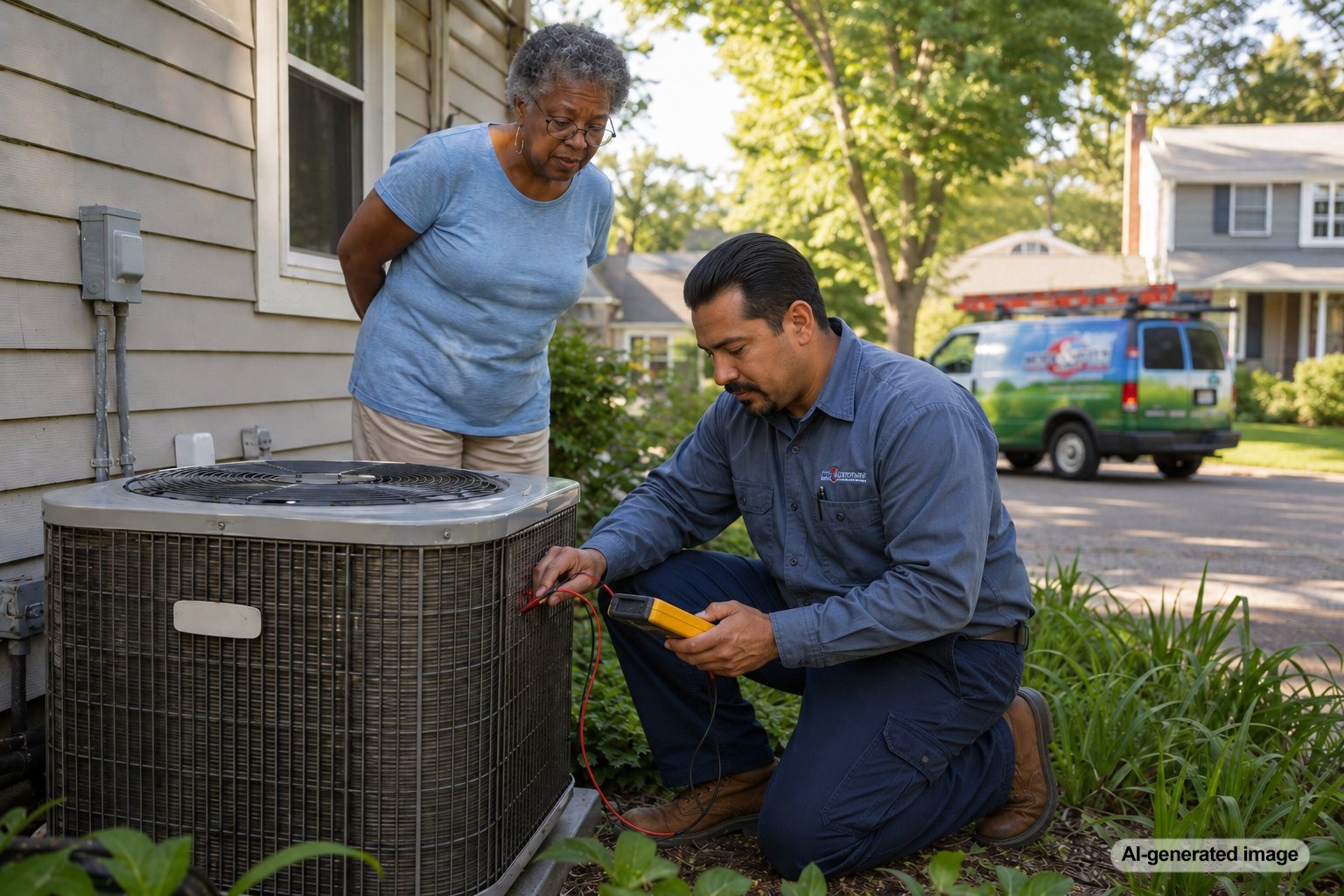
A single repair is often the right move when the system is relatively young and the issue is isolated. Replacement becomes more worth discussing when the AC is older, repairs are recurring, comfort is uneven, or the system is no longer meeting the needs of the home. If you need help diagnosing the issue, Meyer & Depew’s AC service and maintenance team can evaluate the equipment and explain your options clearly.
An AC problem is more likely a repair issue when the system is newer, the problem is minor, and the unit has been cooling well overall. It is more likely a replacement issue when the system is older, repairs are becoming frequent, comfort problems keep returning, or the repair cost is high compared with the value of the equipment.
Repair or replacement: what is the real difference?
A repair addresses a specific failed or worn part, such as a capacitor, contactor, thermostat issue, clogged drain, loose electrical connection, or airflow problem. If the rest of the system is in solid condition, a professional repair can often restore normal operation.
Replacement means the equipment itself is no longer the best long-term answer. That may be because of age, declining efficiency, repeated breakdowns, major component failure, refrigerant concerns, poor sizing, or chronic comfort problems that repairs are unlikely to solve. In that situation, looking at AC installation and replacement options can help you compare comfort, reliability, and long-term ownership costs.
Signs your AC problem may be a repair issue
Many cooling problems do not automatically mean the system needs to be replaced. A qualified technician can often repair an AC system when the equipment is not very old, the issue appeared suddenly, and the unit has otherwise been dependable.
- The AC is less than 10 years old and has had few previous problems.
- The issue is isolated, such as a failed electrical component, clogged condensate drain, thermostat problem, or restricted airflow.
- The system still cools evenly when it is operating properly.
- The repair cost is reasonable compared with the age and condition of the equipment.
- The system has been maintained and is not showing signs of broader decline.
For example, if your AC suddenly stops running because of a failed capacitor, but the system has been reliable and is still within a reasonable service life, repair may make practical sense. The same can be true for minor drainage, thermostat, or airflow issues, as long as there are no larger problems underneath.
Signs replacement may be the smarter conversation
Replacement is not always about one dramatic breakdown. More often, it becomes the right conversation when several warning signs appear together. An older AC that needs repair after repair, struggles during humid afternoons, and leaves certain rooms uncomfortable may be telling you that the whole system is nearing the end of its useful life.
- The system is around 10 to 15 years old or older.
- Repairs are becoming more frequent or more expensive.
- The AC runs for long periods but still cannot keep up on hot, humid days.
- Some rooms are too warm while others are comfortable.
- The system uses outdated refrigerant or has a major refrigerant-related problem.
- Energy use has climbed even though your habits have not changed much.
- The compressor or coil has a major failure and the rest of the system is already aging.
In older New Jersey homes, replacement may also be worth discussing when the AC was never sized or designed well for the home. If additions, finished attics, finished basements, sunrooms, insulation changes, or new windows have changed the cooling load, replacing like-for-like may not be the best answer without a proper evaluation.
A practical comparison homeowners can use
| Factor | Repair may make sense when | Replacement may make sense when |
|---|---|---|
| System age | The AC is newer or has many useful years left. | The AC is older and already showing wear. |
| Repair history | This is the first significant issue in a long time. | Breakdowns are becoming a regular pattern. |
| Comfort | The home is comfortable when the system is running correctly. | Hot spots, humidity, or weak cooling keep returning. |
| Cost | The repair cost is modest compared with the system’s condition. | The repair is major and the system is already near end of life. |
Safe checks before you decide
Before assuming the worst, there are a few safe homeowner checks that can sometimes explain weak cooling or a system that will not start. These steps should not replace professional service, but they can help rule out simple issues.
- Confirm the thermostat is set to cooling and the temperature is set lower than the room temperature.
- Check whether the air filter is dirty or overdue for replacement.
- Make sure supply and return vents are open and not blocked by furniture, rugs, or curtains.
- Look for obvious leaves, weeds, or debris around the outdoor unit.
- Check whether the breaker has tripped once, if it is safe to do so. If it trips again, stop and schedule professional service.
Do not open sealed equipment panels, handle refrigerant, bypass safety switches, or attempt electrical repairs. Burning smells, smoke, sparks, flooding around equipment, or suspected refrigerant leaks should be treated seriously and handled by a qualified professional.
Why New Jersey humidity can make the decision less obvious
An AC can lower the temperature and still leave the home feeling clammy if it is not removing enough humidity. That can happen because of airflow restrictions, dirty coils, poor system sizing, duct problems, short cycling, or aging equipment. During humid stretches in Central and Northern New Jersey, those issues become more noticeable because comfort depends on both temperature and moisture control.
If humidity is the main complaint, replacement may not always be the first answer. A technician should look at airflow, refrigerant performance, ductwork, thermostat operation, and maintenance condition before recommending a path forward. In some homes, comfort improvements may involve equipment replacement; in others, service, airflow correction, or upgrades related to air quality and comfort may be part of the solution.
When a professional evaluation is worth it
Call for professional AC service when the system will not cool, turns on and off rapidly, makes unusual noises, blows warm air, leaks water repeatedly, freezes up, trips the breaker, or cannot keep the home comfortable. A technician can identify whether the problem is limited to one part or connected to a larger issue with the system.
A good evaluation should not pressure you into one answer. It should explain what failed, why it may have failed, whether other components are in good condition, what repair would involve, and whether replacement is worth considering based on the system’s age and performance. That kind of clear information helps you make a practical decision instead of guessing.
FAQ: AC repair or replacement
Should I repair an older AC if it still works most of the time?
Maybe. If the repair is minor and the system still cools well, repairing it may be reasonable. If the repair is expensive, the AC is older, and comfort problems keep returning, replacement may deserve a closer look.
Does weak airflow always mean I need a new AC?
No. Weak airflow may be caused by a dirty filter, blocked vents, duct issues, blower problems, or other serviceable concerns. A professional evaluation can help determine whether the problem is simple or part of a larger system decline.
Is a high repair cost enough reason to replace the system?
Not by itself. The repair cost should be considered along with system age, condition, efficiency, comfort, and repair history. A costly repair on a newer system may be different from the same repair on an older unit with recurring problems.
Can maintenance help avoid replacement?
Maintenance may help reduce the risk of avoidable problems and keep the system operating properly, but it cannot prevent every breakdown or make aging equipment last indefinitely. It is still one of the best ways to understand the condition of your AC before peak cooling season.
If your AC problem is isolated and the system is otherwise healthy, repair may be the practical choice. If the system is older, unreliable, inefficient, or no longer keeping your home comfortable, replacement may offer a better long-term path.
Thinking about replacing or upgrading your HVAC system?
Meyer & Depew can help you understand your options for comfort, efficiency, and long-term reliability in your New Jersey home or business.
Questions? Contact Meyer & Depew or call 908.272.2100.