



What Homeowners Should Know About Heat Pumps for Summer Cooling
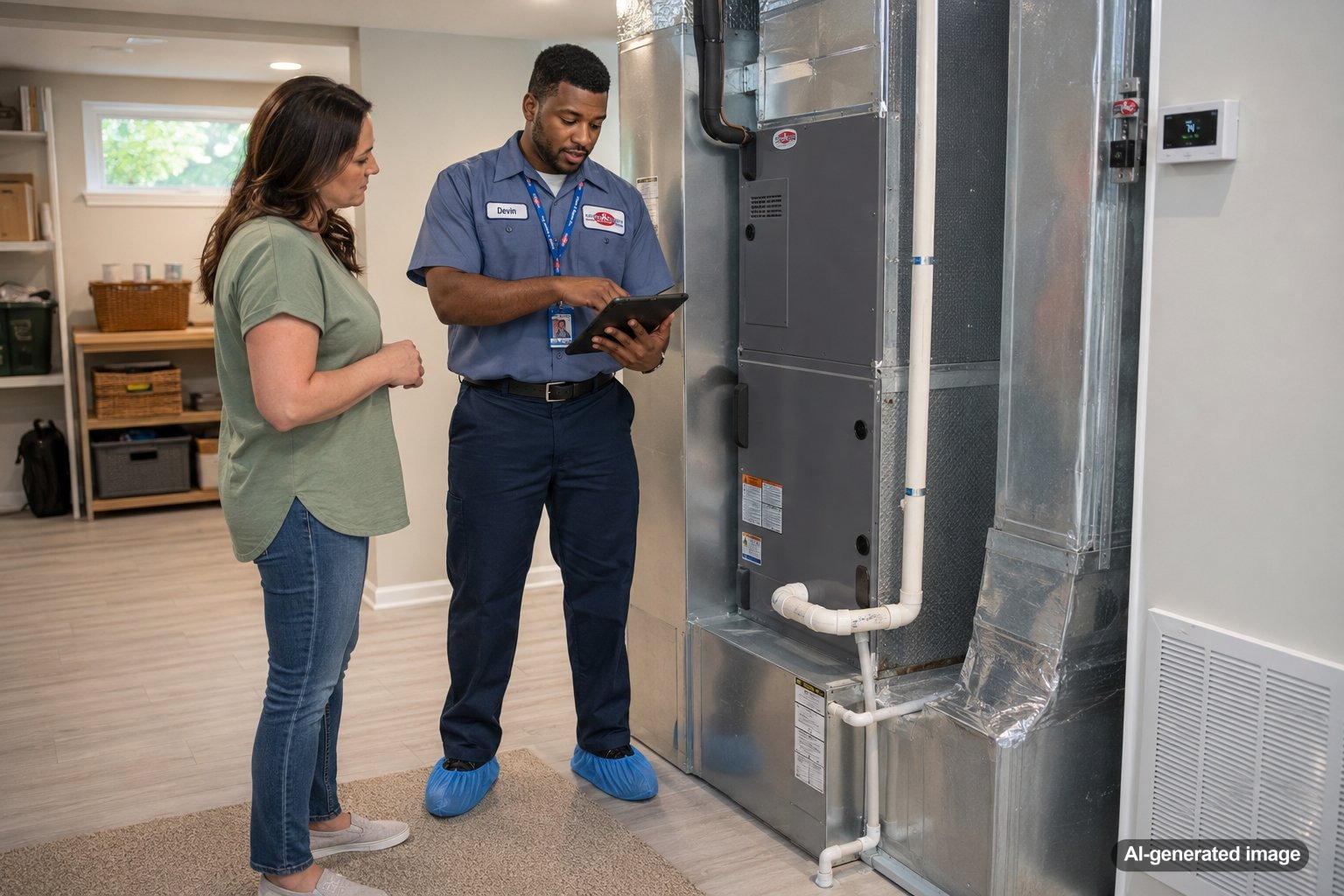
Heat pumps are often talked about as a heating option, but they can also provide effective summer cooling for many New Jersey homes. In cooling mode, a heat pump works much like an air conditioner, moving heat out of the house so the indoor air feels cooler and more comfortable.
For homeowners in Central and Northern New Jersey, the important question is not just whether a heat pump can cool. It is whether the system is properly sized, installed, maintained, and matched to the way the home is used. If you are comparing cooling options, Meyer & Depew can help you understand how heat pumps fit alongside traditional AC services, ductless systems, and full HVAC replacement decisions.
A heat pump can cool a home during summer by removing indoor heat and transferring it outside. It may be a strong option for homeowners who want one system for heating and cooling, improved room-by-room comfort, or a more efficient replacement for older equipment.
- Heat pumps provide both cooling and heating from one system.
- Cooling performance depends on sizing, airflow, insulation, duct condition, thermostat setup, and maintenance.
- Ductless heat pumps can be useful for additions, finished basements, older homes, and rooms that never feel comfortable.
- Professional design and installation matter because an oversized or undersized system can create comfort problems.
- Routine service can help the system cool more reliably during humid New Jersey summer weather.
How Heat Pumps Cool A Home In Summer
In summer, a heat pump operates by absorbing heat from inside the home and releasing it outdoors. The indoor coil helps remove heat from the air, while the outdoor unit rejects that heat outside. The process is very similar to how a central AC system cools a home.
The difference is that a heat pump can reverse operation during colder weather and provide heating as well. That dual-purpose design is one reason many homeowners consider heat pumps when replacing aging equipment or improving comfort in parts of the home that are difficult to condition.
Heat pumps are available in ducted and ductless configurations. A ducted heat pump uses a home’s existing ductwork, while a ductless mini split uses indoor wall, ceiling, or floor-mounted units connected to an outdoor unit. For homes with limited ductwork, additions, sunrooms, or uneven temperatures, ductless mini split systems may offer a practical path to targeted cooling.
Why Proper Sizing Matters
A heat pump should be sized for the home, not chosen by guesswork or by simply matching the old unit. If the system is too small, it may struggle to keep up on hot afternoons. If it is too large, it may cool the air quickly but shut off before it has enough time to help manage humidity.
Humidity is a major comfort factor in New Jersey summers. A room can meet the thermostat setting and still feel clammy if moisture is not being controlled well. That is one reason an HVAC contractor should evaluate more than square footage. Window exposure, insulation, duct condition, ceiling height, room layout, and existing comfort complaints can all affect system selection.
For older homes in areas like Union, Essex, Morris, and Somerset counties, ductwork and insulation can be just as important as the equipment itself. A new heat pump cannot overcome every airflow restriction, leaky duct, or poorly insulated room. A complete comfort review helps identify whether the issue is the system, the home, or both.
Cooling Comfort Is About More Than Cold Air
Many homeowners judge cooling by whether the air feels cold at the vents. That is useful, but it is not the whole picture. Strong summer comfort also depends on steady airflow, balanced rooms, humidity control, and reasonable run times.
A well-matched heat pump should run long enough to circulate air and help manage moisture without short cycling. Short cycling means the system turns on and off frequently. That can happen because of sizing problems, airflow restrictions, thermostat placement, refrigerant issues, or equipment concerns that should be evaluated by a qualified technician.
Uneven comfort can also come from room location. Bedrooms over garages, finished attics, basements, rooms with large windows, and additions often behave differently than the rest of the house. In some homes, zoning, thermostat upgrades, duct adjustments, or ductless equipment may provide better comfort than replacing equipment alone.
What Homeowners Can Safely Check Before Calling
There are a few safe checks homeowners can make when a heat pump is not cooling well. These steps will not fix every issue, but they can rule out simple causes before scheduling service.
- Confirm the thermostat is set to cooling mode and the temperature is set below the current room temperature.
- Check whether the air filter is dirty or clogged, and replace it if needed.
- Make sure supply and return vents are open and not blocked by furniture, rugs, or storage.
- Look for obvious leaves, grass clippings, or debris around the outdoor unit.
- Check the breaker once, if it is safe to do so. If it trips again, stop resetting it and schedule professional service.
Homeowners should not open sealed equipment, add refrigerant, bypass switches, adjust wiring, or attempt repairs inside the outdoor or indoor unit. If you notice smoke, sparks, electrical burning smells, refrigerant leakage, flooding around equipment, or any unsafe condition, prioritize safety and contact the appropriate utility, emergency service, or a qualified professional.
Maintenance Helps Heat Pumps Handle Summer Demand
Because a heat pump may run during both heating and cooling seasons, regular maintenance is especially important. A system that worked through winter can enter summer with dirty coils, restricted airflow, worn electrical components, or performance issues that become more noticeable during hot, humid weather.
Professional maintenance can include checking system operation, measuring performance, inspecting electrical components, cleaning key components when appropriate, checking condensate drainage, and looking for signs that the system may need repair. Maintenance cannot prevent every breakdown, but it can reduce the risk of neglected issues becoming larger problems.
Homeowners who want a more consistent maintenance routine may benefit from reviewing service plans. Keeping heating and cooling service on a regular schedule can be easier than waiting until comfort problems appear during the busiest weather of the year.
When A Heat Pump May Be Worth Considering
A heat pump may be worth considering if your current AC is aging, your heating system is also nearing replacement, or parts of your home are difficult to cool. It can also make sense for homeowners looking at a broader comfort upgrade rather than a simple like-for-like replacement.
Ductless heat pumps are often considered for home offices, additions, bonus rooms, finished basements, enclosed porches, and rooms where extending ductwork would be difficult. Ducted heat pumps can be considered when replacing central HVAC equipment, especially if the existing ductwork is in good condition or can be improved as part of the project.
The right choice depends on the home’s layout, the condition of current equipment, available electrical capacity, comfort goals, budget priorities, and how the home performs in both summer and winter. A qualified HVAC professional can compare options and explain the tradeoffs without assuming one system type is right for every house.
When To Call A Professional
Schedule professional service if your heat pump blows warm air in cooling mode, runs constantly without reaching the thermostat setting, short cycles, makes unusual noises, leaks water, freezes over, or causes some rooms to feel much warmer than others. These symptoms can have several causes, and guessing can lead to unnecessary parts, wasted time, or unsafe repairs.
You should also call a professional before replacing an older AC or heating system with a heat pump. Proper load calculation, equipment selection, duct evaluation, thermostat setup, and installation quality all play a role in comfort and long-term performance.
FAQ About Heat Pumps For Summer Cooling
Can a heat pump replace my air conditioner?
In many homes, yes. A heat pump can provide cooling in the summer and heating in cooler weather. The best answer depends on your home’s layout, existing equipment, ductwork, electrical setup, and comfort goals.
Do heat pumps work well in New Jersey summers?
Heat pumps can work well in New Jersey summers when they are properly designed, installed, and maintained. Humidity, airflow, insulation, and duct condition all affect how comfortable the home feels.
Is a ductless heat pump the same as central AC?
No. A ductless heat pump does not use traditional ductwork. It uses one or more indoor units connected to an outdoor unit, which can make it useful for targeted areas or homes without ducts.
Why does my heat pump cool unevenly?
Uneven cooling may be related to duct issues, blocked vents, dirty filters, thermostat placement, room exposure, insulation gaps, zoning limitations, or equipment performance. A technician can evaluate the system and the home together.
How often should a heat pump be serviced?
Because heat pumps can run in both cooling and heating seasons, many homeowners choose regular professional maintenance to keep the system checked before heavy seasonal use. Your equipment, usage, and service history can affect the right schedule.
Heat pumps can be a practical summer cooling option for New Jersey homes, but comfort depends on more than the equipment label. Sizing, airflow, humidity control, duct condition, installation quality, and maintenance all matter.
Thinking about replacing or upgrading your HVAC system?
Meyer & Depew can help you understand your options for comfort, efficiency, and long-term reliability in your New Jersey home or business.
Questions? Contact Meyer & Depew or call 908.272.2100.