

How Often Should HVAC Be Serviced?
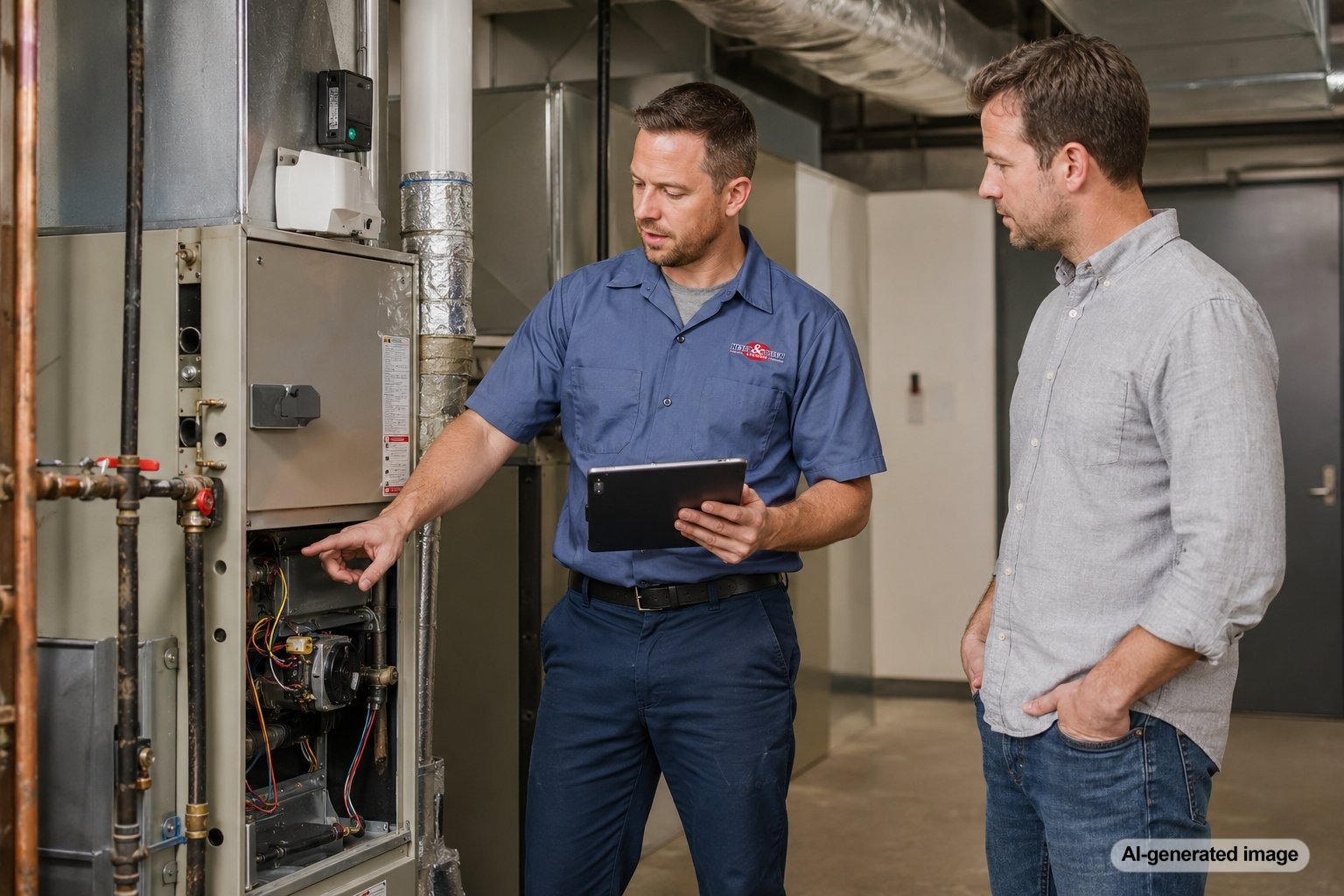
Most HVAC systems should be professionally serviced twice a year: once before cooling season and once before heating season. For many New Jersey homes, that means scheduling AC maintenance in spring and heating maintenance in fall, before the weather puts steady demand on the equipment.
That schedule gives a qualified technician time to inspect, clean, test, and adjust the system before small issues turn into uncomfortable surprises. If your system has been noisy, struggling to keep up, short cycling, creating uneven temperatures, or driving up utility bills, a maintenance visit can also help identify what may be contributing to the problem. Meyer & Depew provides AC service and maintenance and heating maintenance for homeowners throughout Central and Northern New Jersey.
For most homes, schedule HVAC service twice per year: one cooling tune-up in spring and one heating tune-up in fall.
- AC systems should usually be serviced once a year before heavy summer use.
- Heating systems should usually be serviced once a year before colder weather arrives.
- Heat pumps often need attention twice a year because they work for both heating and cooling.
- Commercial systems may need more frequent service depending on use, hours of operation, filters, occupancy, and equipment type.
- Older systems, homes with pets, dusty conditions, or comfort problems may benefit from more frequent filter checks and professional evaluation.
Why HVAC service is usually recommended twice a year
Your HVAC system works differently in July than it does in January. During a humid New Jersey summer, your AC has to remove heat and moisture while maintaining airflow through the home. During winter, your furnace, boiler, or heat pump has to provide consistent comfort through cold snaps, long run times, and sudden temperature swings.
One annual visit may not be enough to fully prepare both sides of the system. A spring visit focuses on cooling performance, outdoor equipment, refrigerant-related operating conditions, airflow, condensate drainage, electrical components, and overall AC operation. A fall visit focuses on heating safety, ignition or heating sequence, combustion-related concerns where applicable, heat exchanger or boiler condition when relevant, controls, airflow, and system reliability.
Routine service does not guarantee that a system will never break down, but it can reduce the risk of avoidable problems, help equipment run more consistently, and give you a clearer picture of the system’s condition before peak weather arrives.
How often should an AC system be serviced?
Most central AC systems should be serviced once a year, ideally in spring. Waiting until the first major heat wave often means the system is already under heavy strain. If there is a clogged condensate drain, weak airflow, dirty coil, worn electrical component, or failing capacitor, you may not notice it until the house is already uncomfortable.
Spring AC maintenance is especially useful in New Jersey because cooling systems often sit idle for months before being asked to run through humid, hot weather. A technician can inspect the outdoor unit, check operating conditions, clean accessible components as appropriate, test controls, and look for signs that the system may have trouble keeping up.
Homeowners can help between visits by replacing or inspecting the air filter, keeping supply and return vents open, and making sure the outdoor unit is not blocked by leaves, mulch, shrubs, or stored items. Do not open sealed equipment, handle refrigerant, or attempt electrical repairs. If the AC continues blowing warm air, trips the breaker, freezes up, leaks water, or makes unusual noises, schedule professional service.
How often should a heating system be serviced?
Most heating systems should be serviced once a year, ideally in fall. Furnaces, boilers, and heat pumps each have different maintenance needs, but the goal is similar: confirm the system is ready before colder weather creates long run times and higher demand.
Fall heating maintenance is particularly important for systems that involve combustion, such as gas furnaces and boilers. A qualified technician can evaluate safe operation, inspect key components, test controls, and identify conditions that may require attention. If you ever smell gas, suspect carbon monoxide, notice smoke, see sparking, or smell an electrical burning odor, prioritize safety, leave the area if needed, and contact the appropriate emergency service, utility, or qualified professional.
For homes with heat pumps, twice-a-year service is often the right approach because the same system handles both cooling and heating. A heat pump may run during humid summer days, chilly spring mornings, fall evenings, and winter weather, so it does not get the same long off-season as a dedicated AC or heating system.
When your system may need more frequent attention
Twice a year is a strong general rule, but some homes and buildings need closer attention. A newer, properly sized system in a clean home may have different needs than an older system in a busy household with pets, renovations, frequent filter clogging, or uneven comfort issues.
- Older equipment: Aging systems may have more worn parts, weaker airflow, or performance changes that are easier to catch with routine visits.
- High-use homes: Large households, home offices, finished basements, additions, or systems that run almost constantly may benefit from closer monitoring.
- Pets and dust: Pet hair and dust can clog filters more quickly and contribute to airflow problems.
- Humidity issues: A home that feels sticky, stale, or unevenly cooled may need more than a basic thermostat adjustment.
- Commercial properties: Offices, retail spaces, restaurants, medical offices, and nonprofits may need a customized maintenance schedule based on occupancy, equipment type, operating hours, and comfort requirements.
If you are not sure what schedule fits your system, a maintenance plan can make it easier to stay ahead of seasonal service. Meyer & Depew offers residential service plans designed to help keep routine heating and cooling care on track.
What professional HVAC service typically includes
A maintenance visit is more than a quick glance at the thermostat. The exact checklist depends on the equipment type, age, condition, and manufacturer requirements, but a professional visit generally includes inspection, testing, cleaning, and performance checks that homeowners should not attempt on their own.
For cooling equipment, service may include checking airflow, cleaning accessible components, inspecting electrical connections, evaluating operating pressures and temperatures, confirming condensate drainage, testing controls, and looking for signs of wear. For heating equipment, it may include testing safety controls, inspecting burners or ignition components where applicable, checking venting or combustion-related concerns when relevant, evaluating airflow, and confirming proper operation.
The value is not only in what gets cleaned or adjusted. It is also in the trained eye that can spot patterns: a blower motor working harder than it should, a filter restriction affecting comfort, a system that is short cycling, or equipment that may be approaching the point where repair versus replacement should be discussed.
Safe checks homeowners can do between service visits
- Check that the thermostat is set to the correct mode and temperature.
- Inspect or replace the air filter if it is dirty or overdue.
- Make sure supply and return vents are open and not blocked by furniture, rugs, or curtains.
- Look for obvious debris around the outdoor AC or heat pump unit.
- Check whether the breaker has tripped once, if it is safe to do so.
- Schedule professional service if the issue continues, returns, or involves noise, odor, water, smoke, sparks, gas smell, or loss of heat or cooling.
These checks can rule out simple issues, but they are not a substitute for professional maintenance. Avoid opening sealed panels, bypassing safety controls, adding refrigerant, adjusting gas pressure, modifying wiring, or trying to repair major HVAC components. Those tasks can create risks involving shock, fire, carbon monoxide, refrigerant exposure, or equipment damage.
What happens if HVAC service is skipped?
Skipping maintenance does not mean your system will fail immediately. Many systems keep running for a while even when they are dirty, restricted, or developing early problems. The concern is that small issues can quietly reduce comfort and efficiency before they become obvious.
A dirty filter can restrict airflow, which may make the system run longer and leave rooms less comfortable. A blocked condensate drain can lead to water problems. Weak electrical components can cause intermittent cooling. A heating system that has not been checked before winter may reveal trouble on the first truly cold night. In a commercial space, neglected maintenance can affect employee comfort, customer experience, tenant satisfaction, and business continuity.
Routine service gives you a better chance to address concerns on your schedule instead of during a peak-season breakdown when demand for emergency repairs is high.
FAQ: HVAC service frequency
Is once-a-year HVAC service enough?
For a system that only provides cooling or only provides heating, once a year for that specific equipment may be enough. For a full HVAC system with both heating and cooling, twice a year is usually the better schedule.
When is the best time to schedule HVAC maintenance?
Spring is usually best for AC maintenance, and fall is usually best for heating maintenance. Scheduling before peak weather helps uncover issues before the system is working its hardest.
How often should I change my HVAC filter?
Filter timing depends on the filter type, system use, pets, dust, and household conditions. Many homeowners check filters monthly and replace them when they look dirty or according to the filter and system guidance. A technician can recommend a practical schedule for your home.
Do commercial HVAC systems need more frequent service?
Often, yes. Commercial HVAC equipment may run longer hours, serve larger spaces, and support more people. A property manager or business owner may need quarterly or customized service depending on the building and equipment.
Can maintenance prevent every HVAC breakdown?
No. Maintenance can reduce the risk of certain problems and help identify concerns early, but no tune-up can guarantee that equipment will never fail. It is best viewed as preventive care, not a promise against future repairs.
For most New Jersey homes, schedule HVAC service twice a year: AC maintenance in spring and heating maintenance in fall. If your equipment is older, heavily used, or showing comfort problems, ask a qualified technician whether a more tailored schedule makes sense.
Want to make HVAC maintenance easier to stay on top of?
A service plan can help keep routine heating and cooling maintenance on your calendar before small issues become bigger headaches.
You can also request a service appointment.